
My privately arranged training experience in Georgia, 2015
By Deepak Shukla · Historical account and source-led commentary · Updated
In summer 2015 I spent ten days in Georgia on privately arranged military-style training. I was introduced to my trainer as a former Georgian special-forces sniper; I have not independently verified his service record. This was a personal undertaking, not an official Georgian course, British Army training or a special-forces qualification. The two original diaries tell the preparation and arrival story. This 2026 overview reads them together without inventing the missing days.
2015 trip / 17 October 2026 archive note
Georgia: ten days, a private photographic chapter
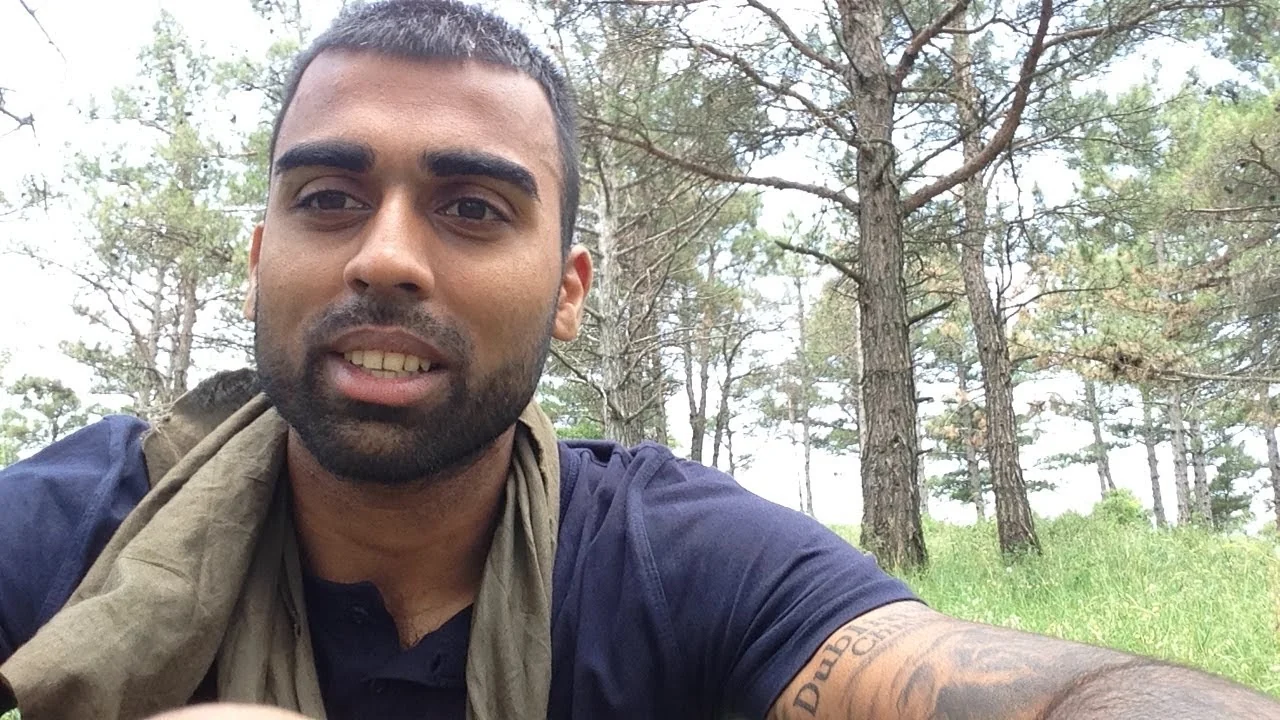
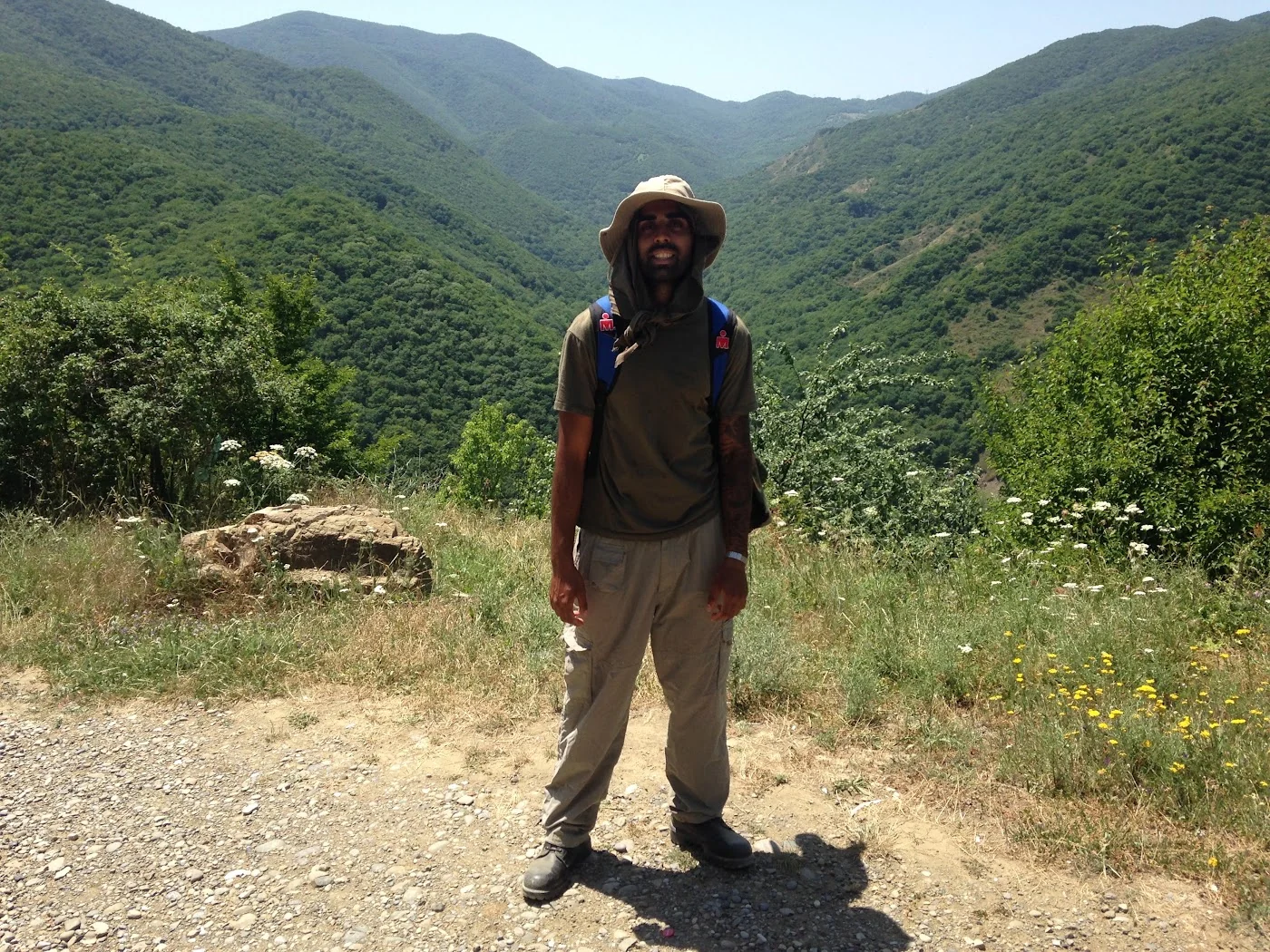
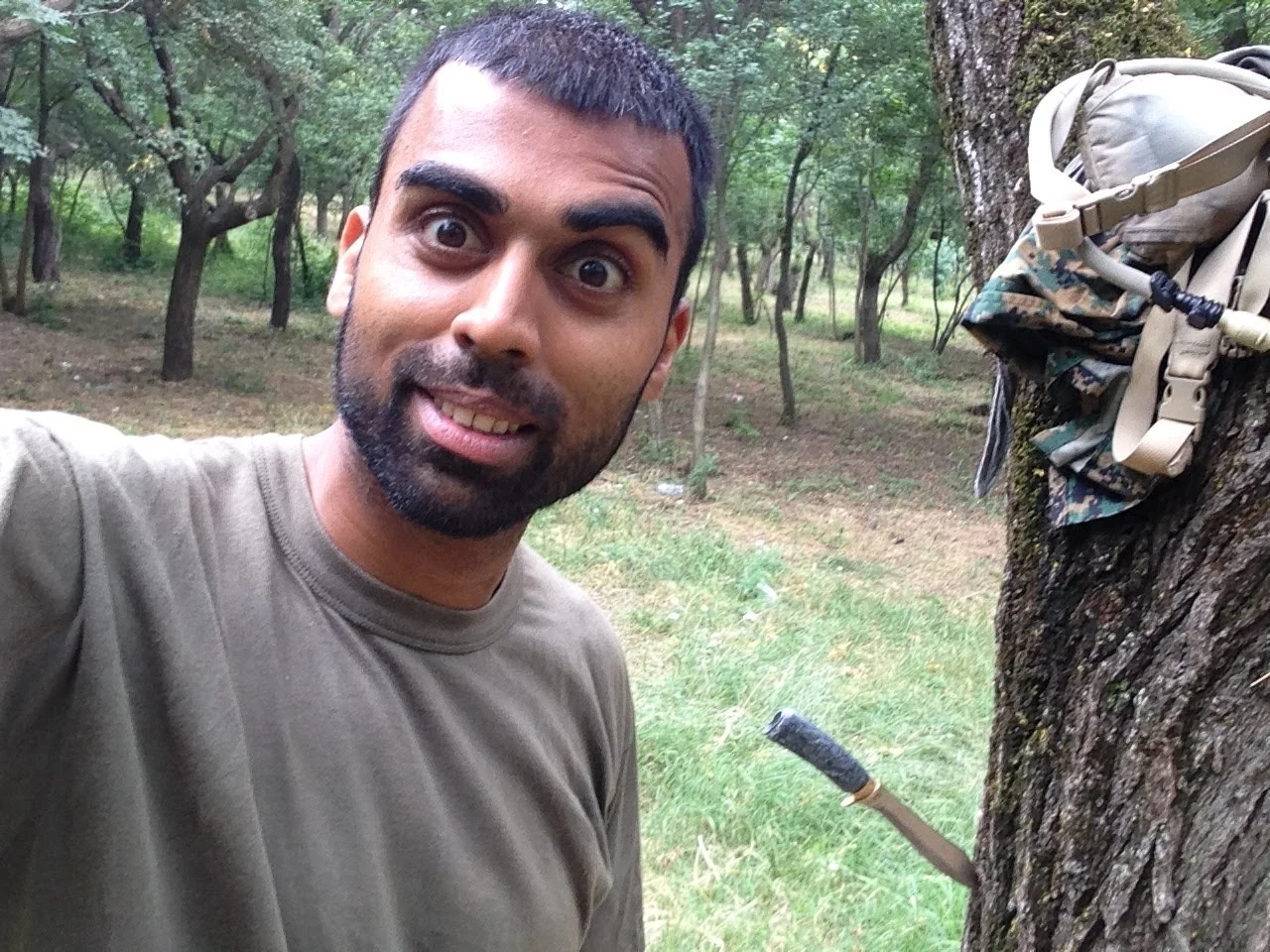
The archive review covered 74 photographs and two videos. The photo diary retains ten checked person-free scenes alongside six specifically owner-attested solo photographs. Every selected frame was checked for other people. All other people-bearing or ambiguous frames and both videos remain withheld; trainer service remains unverified.
The chronology the sources support
Before departure · recalled in Part 1
A private introduction, online conversations, reading and kit preparations; not official recruitment.
25 June–4 July 2015 · album range
The archive is labelled with this range. Individual labels are not independently verified camera timestamps or a complete itinerary.
Summer 2015 · my recollection
Ten days of privately arranged military-style training in Georgia; separate from my British Army preparation.
Arrival · recalled in Part 2
Tbilisi, dinner, a first meeting and an uncertain first night; the following day's orientation was still a plan.
December 2022 · publication
The two original diary parts appeared on 4 and 14 December, looking back at the earlier trip.
17 October 2026 · photographic retrospective
A photographic essay combines ten person-free scenes with six specifically owner-attested solo photographs. The original accounts remain unchanged.
Why I went: wanting a taste of something unfamiliar
I was already exploring the 21 SAS Reserve application and wanted some experience of a military environment before going further. My instinct was to find a difficult challenge and prepare as hard as I could. In the first diary, that ambition leads me towards a private introduction through a friend rather than towards a formal course. I had endurance and fighting experience, but those experiences did not tell me what soldiering would ask of me. The distinction matters more to me now than the dramatic sound of the trip. Wanting a test and understanding the role behind that test are different things.
A private introduction, not a verified credential
A friend helped connect me with someone who could arrange the training. The original account describes Facebook contact followed by Skype conversations. I was public about my life, while I knew very little about the person I would be meeting. That imbalance is part of the story, not evidence that secrecy establishes expertise. My description of a former Georgian special-forces sniper comes from the introduction and what I understood then. I cannot turn that into an independently checked service history. I am not repeating names or further identifying details here, and the selected photographs show either no people or only me in specifically confirmed solo frames.
Ten days agreed, but not a ten-day diary
We settled on ten days while I would be staying in Tbilisi. The first article describes plans being discussed and preparations building towards a July 2015 departure. My confirmed recollection is that I undertook the ten-day experience. Those facts do not supply a complete daily timetable. The surviving two-part account is strongest on what happened before departure and on arrival. Its final teaser mentions later events, but a teaser is not a sufficiently detailed record to reconstruct exercises, exact locations or conversations. I would rather leave those gaps visible than write a polished adventure that my sources cannot support.
Reading felt like preparation
When faced with something I had never done, I turned to books. The original diary describes a US Army survival manual, a dense 623-page book and further reading over several weeks. Buying and reading those books gave me something concrete to do while the trip was still an idea. Looking back in that same diary, I questioned whether the material fitted someone at my stage. I needed a clearer understanding of the application pathway and a clearer explanation of what I was trying to prepare for. This is an account of what I read, not a recommendation to copy a military manual or practise its contents.
Kit lists and the limits of remote conversations
Alongside the reading, I assembled a kit list and exchanged messages as I bought equipment. I also wrote a short document about myself which I then believed would explain my readiness. The older account is frank about that confidence: a summary of endurance achievements was not the same as knowing what I needed to learn. We had never met, and the Skype conversations described in the diary had been brief. I could collect equipment and information without resolving that central uncertainty. I am keeping the useful narrative point here without republishing private chat screenshots, a shopping prescription or instructions for reproducing the training.
Reaching Tbilisi: the idea became an actual journey
Part 2 opens with my arrival in Tbilisi. I remember being concerned about travelling with military gear, but the diary says the journey itself had been smooth. A local contact met me and we went into the city for dinner. The first meeting with the trainer happened at the restaurant, rather than through another screen. That shift from planning at home to sitting at a table in another country is the centre of the arrival account. I do not need to add a dramatic landscape or an invented training scene to make it meaningful. The landscape photographs shown here belong to the wider trip archive, not to that meal.
Dinner, an apartment and an uncertain first night
The second diary describes dumplings, the end of the evening and travelling on to the apartment where I would stay. These are ordinary details around an extraordinary decision I had made for myself. They bring the account back to the practical reality of arriving somewhere unfamiliar: meeting someone for the first time, getting to the accommodation and thinking about what would happen next. The following day's orientation was still being discussed as a plan. I am preserving that distinction. A proposed next step in an arrival diary is not proof of an exercise completed the next morning, and it is not the missing record of all ten days.
What I expected, and where the preparation did not fit
My own retrospective comments in Part 1 identify a mismatch. I had approached the decision emotionally, through a personal network, without sufficiently clarifying the UK pathway I was preparing for. The account says the trainer did not have UK military experience and was more familiar with US preparation. Those are the limits of my historical account, not a judgment on an independently verified career. In that diary I recognised that preparation better matched to the British context would have made more sense. The lesson is not that a harsher private experience is automatically useful. It is that the purpose of preparation has to be understood before difficulty becomes a goal in itself.
Georgia was not Alpha, Bravo or the unit assessment
This private trip is a separate chapter from my British Army preparation in 2015–16. I completed Alpha and Bravo, attended approximately ten to fifteen Wednesday evening preparatory sessions and a later 21 SAS-linked weekend where performance was monitored. That weekend was distinct from the earlier ATC Pirbright experience. I later chose not to continue to the formal SAS Reserve selection course. Neither the Georgian trip nor my Army preparation made me a qualified SAS operator. The British Army photographs in my training chronology belong to that different journey; I am not presenting them as photographs from Georgia.
A fuller photographic archive, and what it cannot prove
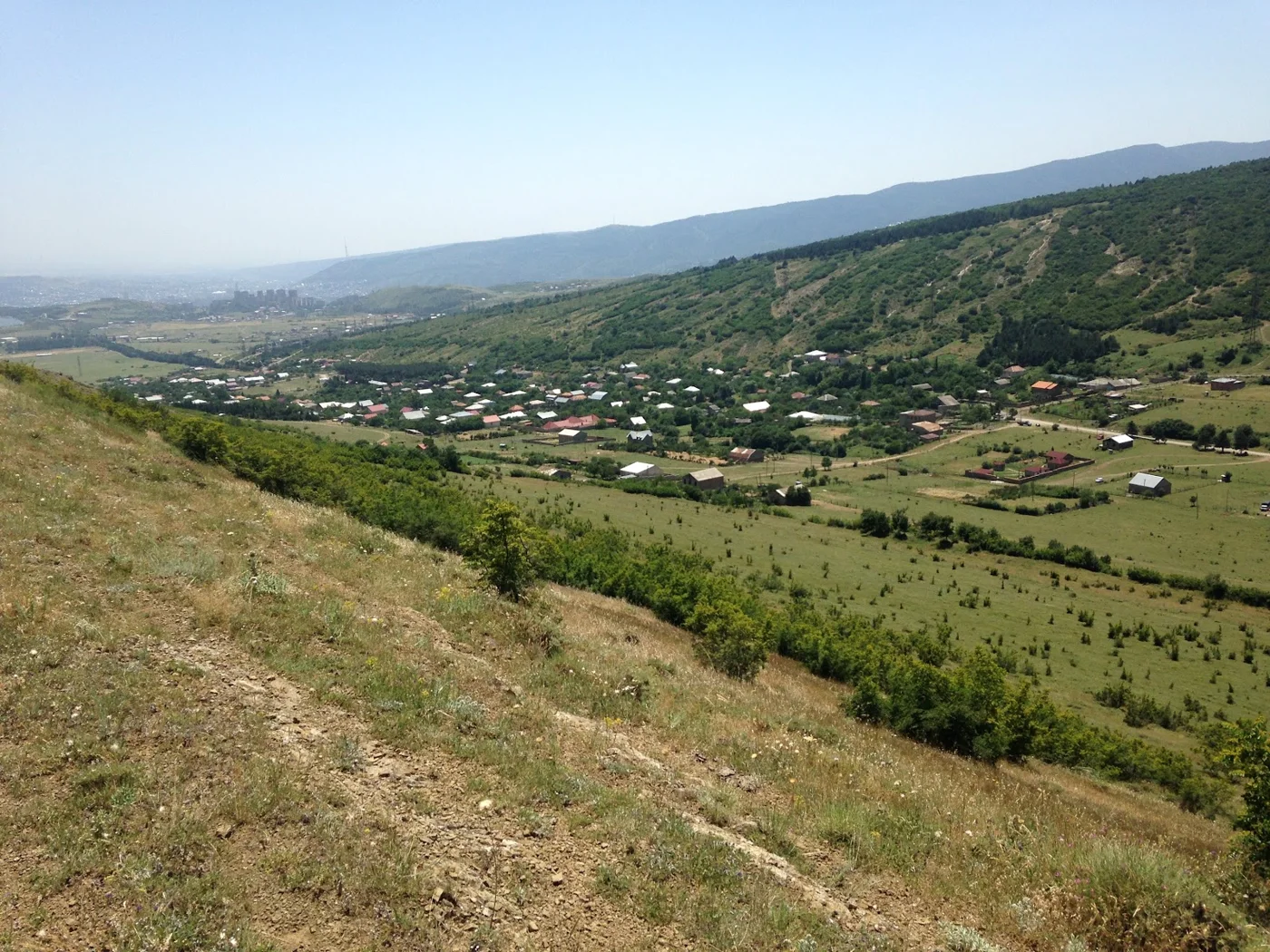
The archive review now covers contact sheets of 74 photographs and two videos from a collection labelled 25 June–4 July 2015. Ten photographs without visible people have been individually checked at full available resolution and selected for the new photo diary. The earlier single valley panorama is reused. Album labels are not independently verified camera timestamps, and my preparation diary refers to July; the sources do not resolve every date. Kit, paths, valleys and wooded tracks provide context, not proof of exercises, a programme, an itinerary or anyone's military credentials. Six specific solo photographs now accompany those scenes: I have confirmed their sole subject is me, and the full frames have been checked for anyone else. This is owner attestation, not independent facial identification. Other people-bearing or ambiguous frames and both videos remain withheld.
Privacy is part of an honest archive
I have chosen not to link readers to the raw shared material, because its contents could change and expose someone who should not appear here. Only the explicitly owner-attested solo candidates are eligible alongside the person-free scenes; each must be independently visually checked in full for any other or ambiguous person, including reflections. If anyone else could be present, the image is withheld, even if blurring were possible. Image metadata is removed. No trainer photograph is published or anonymised for this release. More imagery is not worth compromising the privacy of someone in the story.
Read the two original accounts beside this overview
Part 1, published on 4 December 2022, records the introductions, conversations, books, equipment and growing nerves. Part 2, published on 14 December 2022, records arrival, dinner, the first meeting and the first night. Both look back at 2015; they are not journals published during the ten days. Their original wording, images and publication dates remain intact. This overview is dated October 2026 so a reader can distinguish the later clarification from the older account. Together they offer a useful first-person story without pretending to be an official course description, a current recruitment guide or a complete operational record.
What is current policy, and what is my own experience?
I applied to 21 SAS, completed Alpha and Bravo, attended around 10–15 Wednesday evening preparation sessions and a 21 SAS-linked assessment weekend where our performance was monitored. I later chose not to continue to the formal selection course; I did not qualify or serve as a member of the Regiment. My private Georgian training was a separate experience. Military requirements belong to the Army, not to this independent personal website.
2026 retrospective clarification · 17 October 2026. The later unit assessment weekend was distinct from general Army ATC Pirbright assessment. Official-source check dates below are separate from this owner clarification.
Published sources
- British Army Jobs — SAS Reserve role, entry requirements, selection and locations
Primary source for the role and the five publicly described phases; checked 15 October 2026.
- British Army — UK Special Forces Reserve overview and recruiting contact
Official route to the latest unit advice; checked 15 October 2026.
- British Army — 21 and 23 Special Air Service Reserve
Official regiment information; use the Army for current recruitment, not my historical diary.
- Soldier magazine (October 2025) — SAS Reserve recruiting feature
Dated official magazine article. Some eligibility wording differs from the Army Jobs role page; confirm with recruiting.
The Army Jobs listing and the October 2025 Soldier article use different age wording. That is a reason to ask the recruiting unit, not to pick the most convenient figure. These references are checked as of the date above, not monitored automatically.
Read next
- The full Georgia 2015 photographic diary: scenes and my solo portraits
- Part 1: the introduction, reading and preparations
- Part 2: arriving in Tbilisi and the first night
- The separate British Army preparation and assessed application journey
- Historical application stories and official recruiting sources
- My wider first-hand adventure archive
Get my 21 SAS reserve selection prep guide
What the stages are, what I was training to before I applied, and how I'd build the twelve weeks before a selection weekend. Written from my own application, free, no pitch.