
My 21 SAS application: two years of training, and the decision to stop
By Deepak Shukla · Historical account and source-led commentary · Updated
I applied to 21 SAS in autumn 2014, aged 28. Over the next two years I completed the Army's Alpha and Bravo training, spent a year of Wednesday evenings preparing alongside other applicants, and attended a 21 SAS assessment weekend where our performance was watched closely. In June 2016 I decided selection wasn't right for me and stopped before the formal course — I did not go on to attempt it. This is what those two years were actually like.
Why I applied
I was drawn to the hardest test I could find. I'd already chased difficult physical goals — long races, a fight in Rio — and the idea of the SAS Reserve sat in my head as the next rung up. What I had in abundance was enthusiasm and an engine. What I didn't yet understand was that being able to run a long way and knowing what soldiering asks of you are very different things. That gap became one of the real lessons of the whole chapter.
Autumn 2014: the application
The original diary records the decision to apply; Part 2 records the early assessment weekend at Pirbright. In between sat the unglamorous machinery of any application — medicals, paperwork, waiting for instructions, fitting it all around work. None of it was dramatic, and none of it was selection. It was the ordinary beginning of an extraordinary-sounding idea.
Training around a civilian life
The reserve route asks you to hold two lives together. When you're self-employed, a week set aside for training is also a week of income and responsibilities rearranged. The question was never simply whether I could run or carry weight. It was whether I could sustain the commitment inside the rest of my life — and that question got harder to answer the further in I went.
Alpha, Bravo and holding troop
I went through the Alpha and Bravo preparatory stages and spent time in the holding-troop environment. Messages from the time — course arrangements, attendance, my Bravo pay — back up the broad outline of what I remember, though they're private records and I'm not publishing them. These were real stages on an applicant's pathway. They were not SAS selection, and I never mistook them for it.
The Wednesday evenings
For roughly a year, Wednesday evenings were where applicants prepared together — I recall ten to fifteen of those sessions. This was the steady, unglamorous heart of it: turning up week after week, around work, with people who wanted the same unlikely thing. Whatever else the chapter gave me, it gave me that rhythm.
The 21 SAS weekend
Later came a weekend linked to 21 SAS where our performance was watched and assessed. It was a different occasion from the general Army assessment at Pirbright — later, and a separate thing entirely. I won't give it a stage name, a location or an outcome I can't verify. What I can say is that it was real, evaluated preparation, and it mattered to me.
Georgia, separately
Around the same period I arranged ten days of private training in Georgia with a man introduced to me as a former Georgian special-forces sniper. That was my own undertaking — not a British Army course, not an official Georgian qualification, and not part of Alpha, Bravo or the unit weekend. It belongs to the same era of my life, but it's a separate story.
June 2016: the decision
I was arranging kit and discussing the next course when I realised I didn't want to continue. On 9 June 2016 I wrote to the unit and said so. They acknowledged the decision and we sorted out the administration of leaving. My preparation had been real, and so was the decision to stop — I've never let either one be rewritten as the other.
What I took from it
The training exposed gaps that endurance sport alone couldn't touch: working inside a military system, preparing for a collective task, the discipline of showing up ready when nobody was watching. I also learned that wanting a challenge and wanting the commitment behind it are different questions. If you're weighing up the same decision, that distinction is the most useful thing I can hand you.
If you're thinking of applying
My experience dates from 2014–2016 and the process changes, so start with the Army's own UK Special Forces Reserve pages for anything current. My free preparation guide can help you organise your thinking and your training habits — it's a starting point, not a test of military readiness.
First-hand Army Alpha/Bravo preparation · personal photo archive
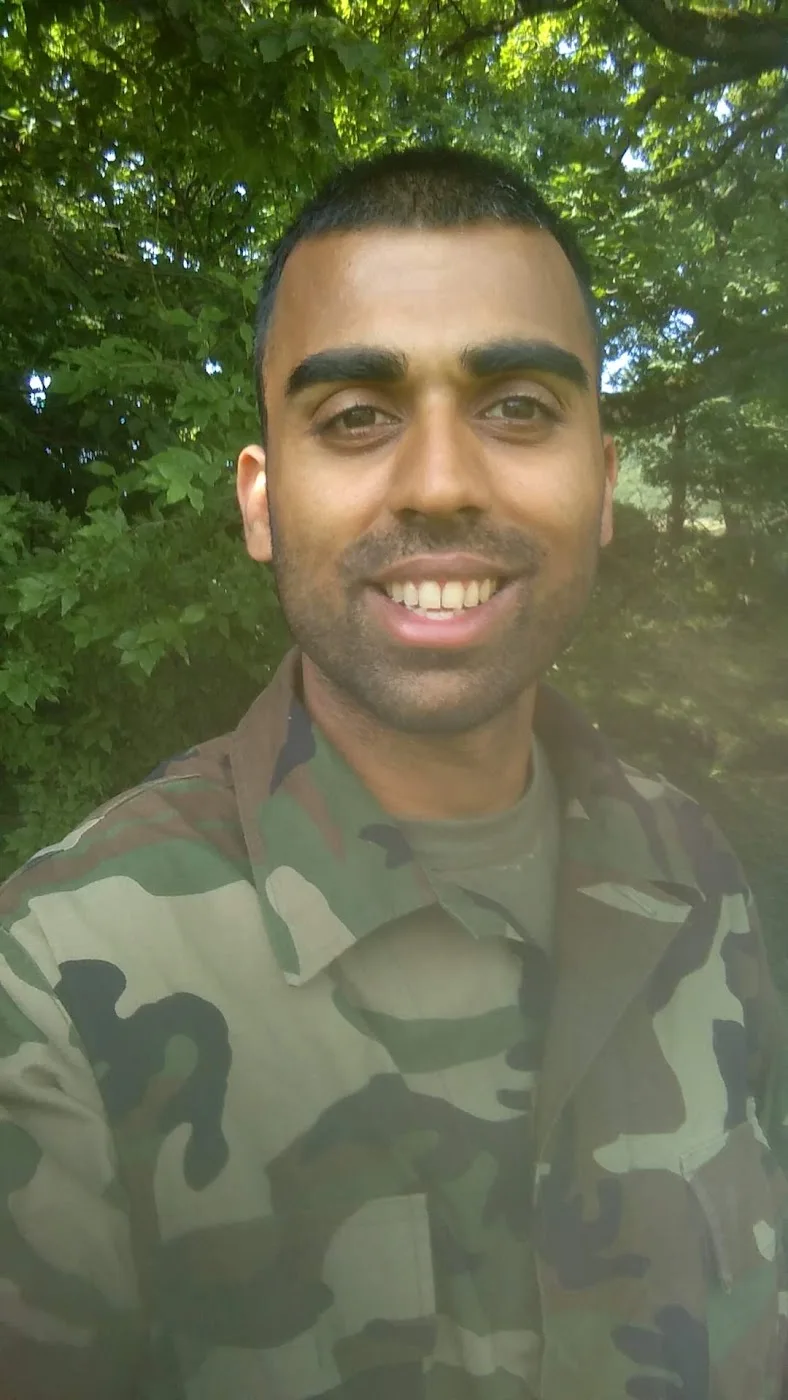
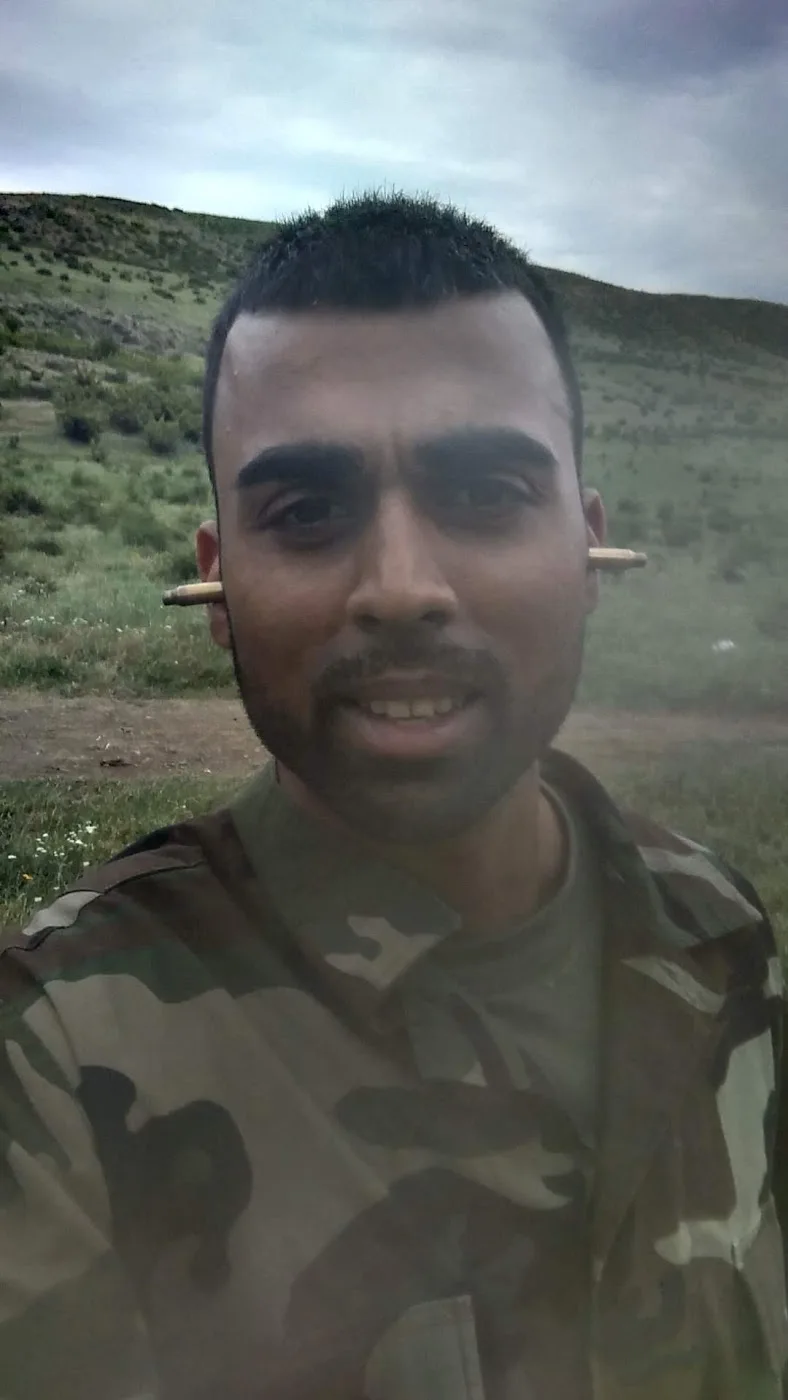
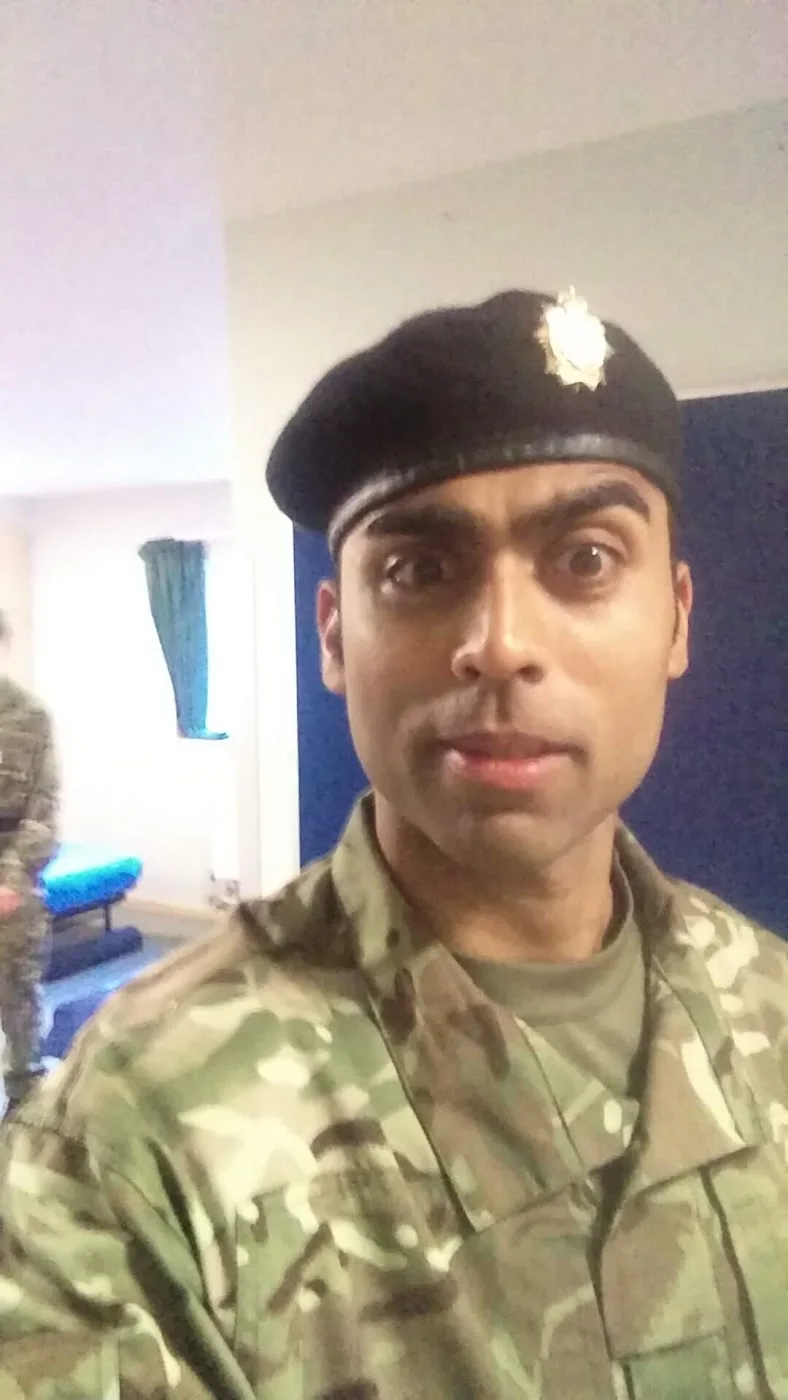
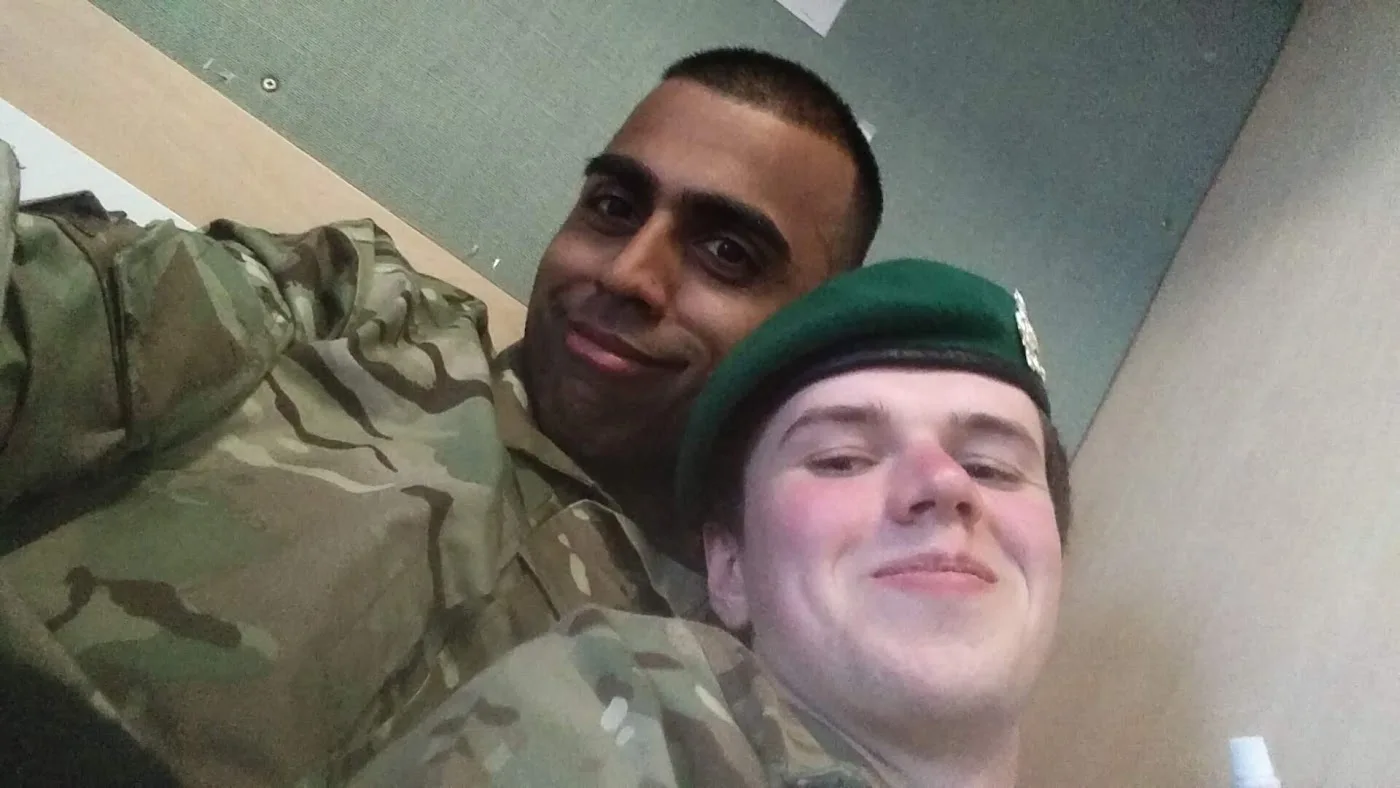
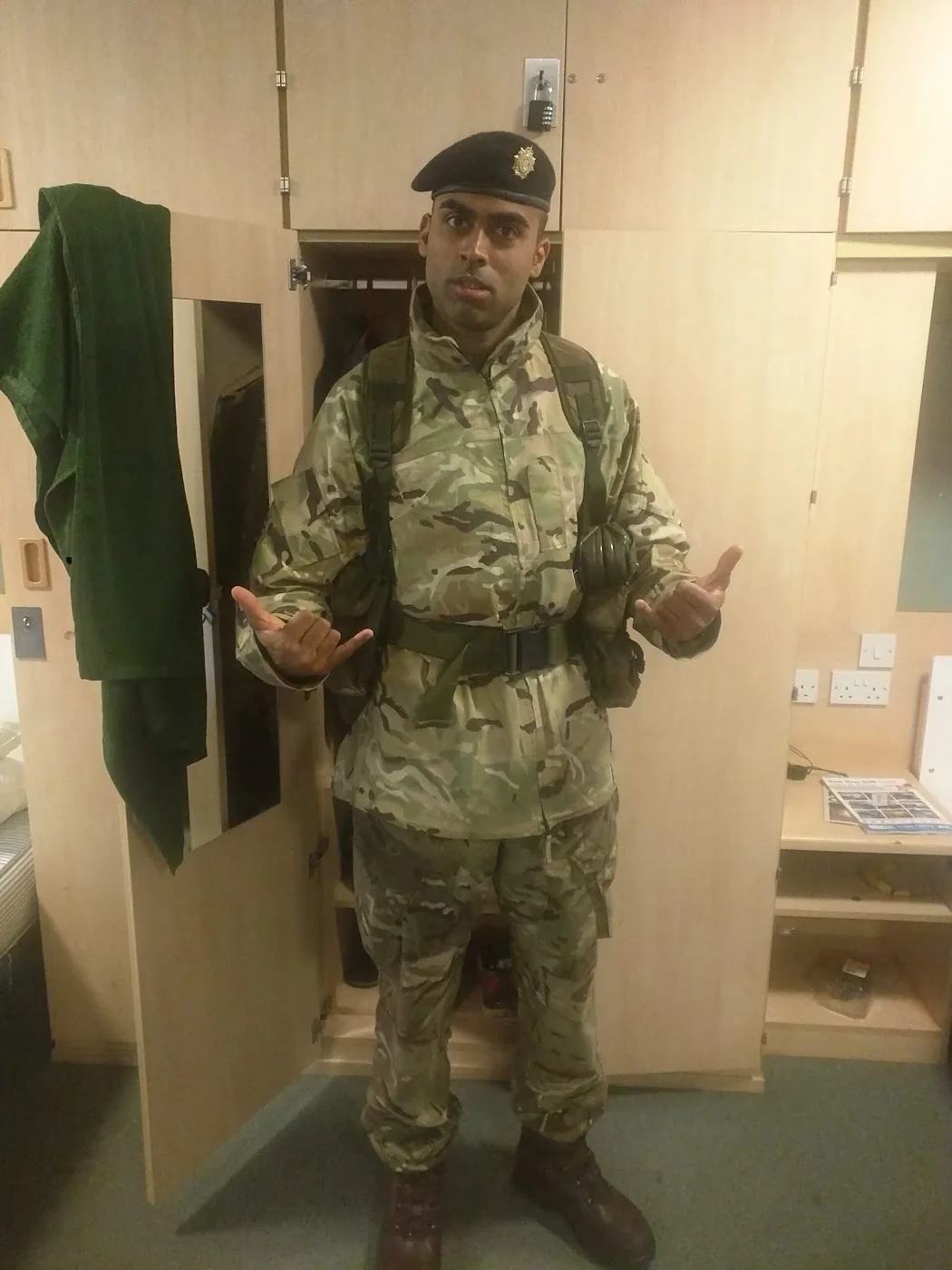
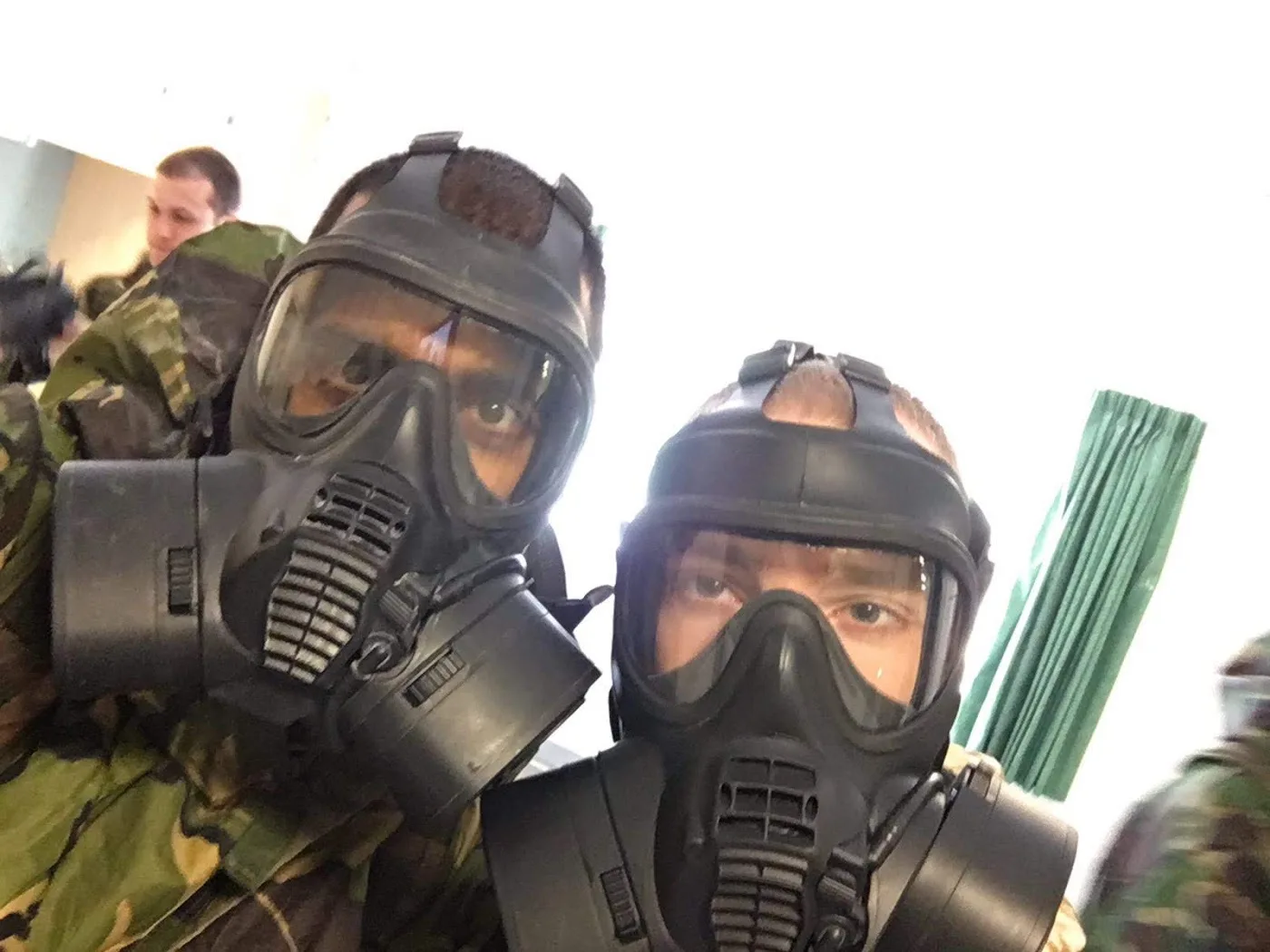
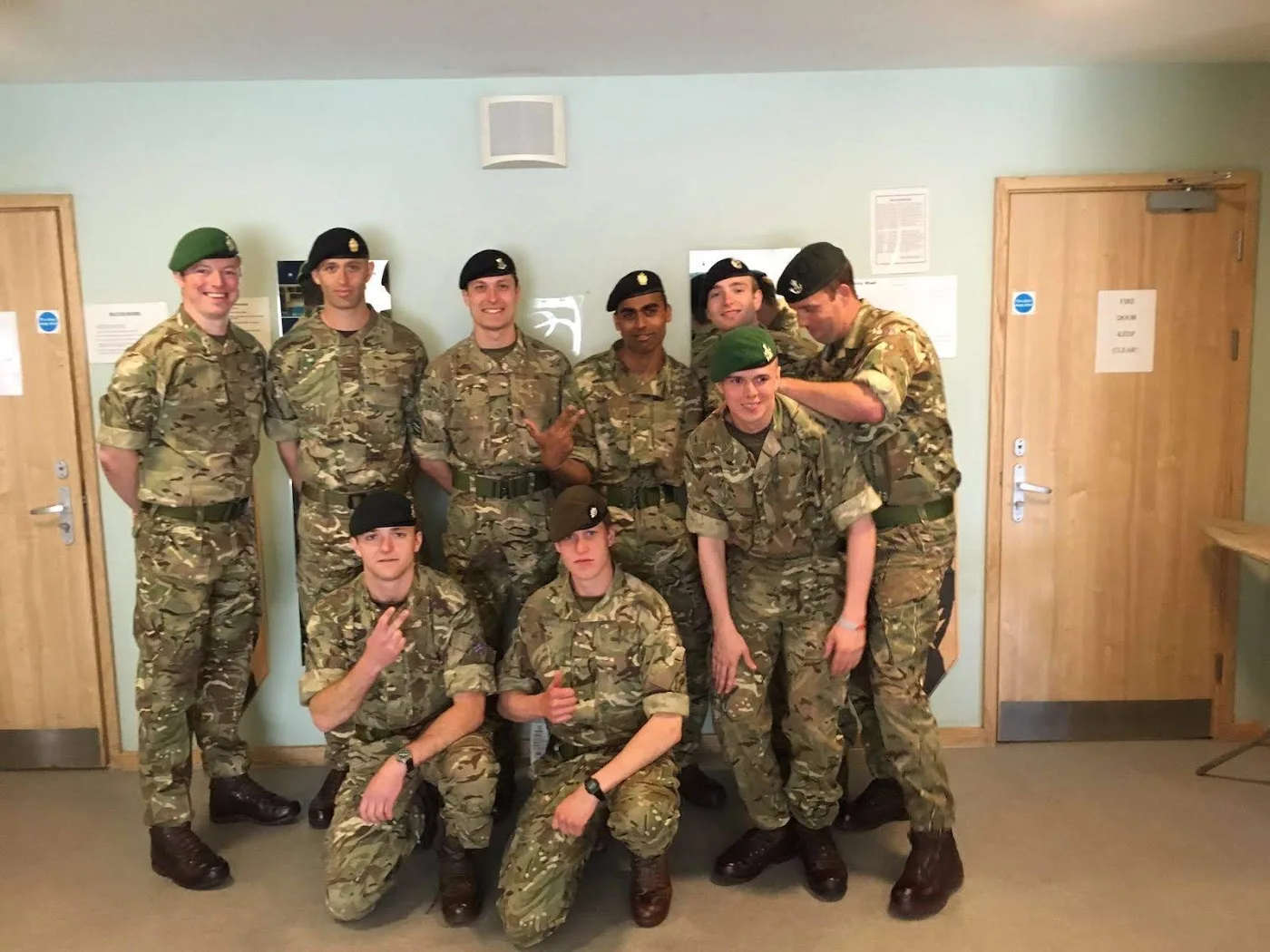
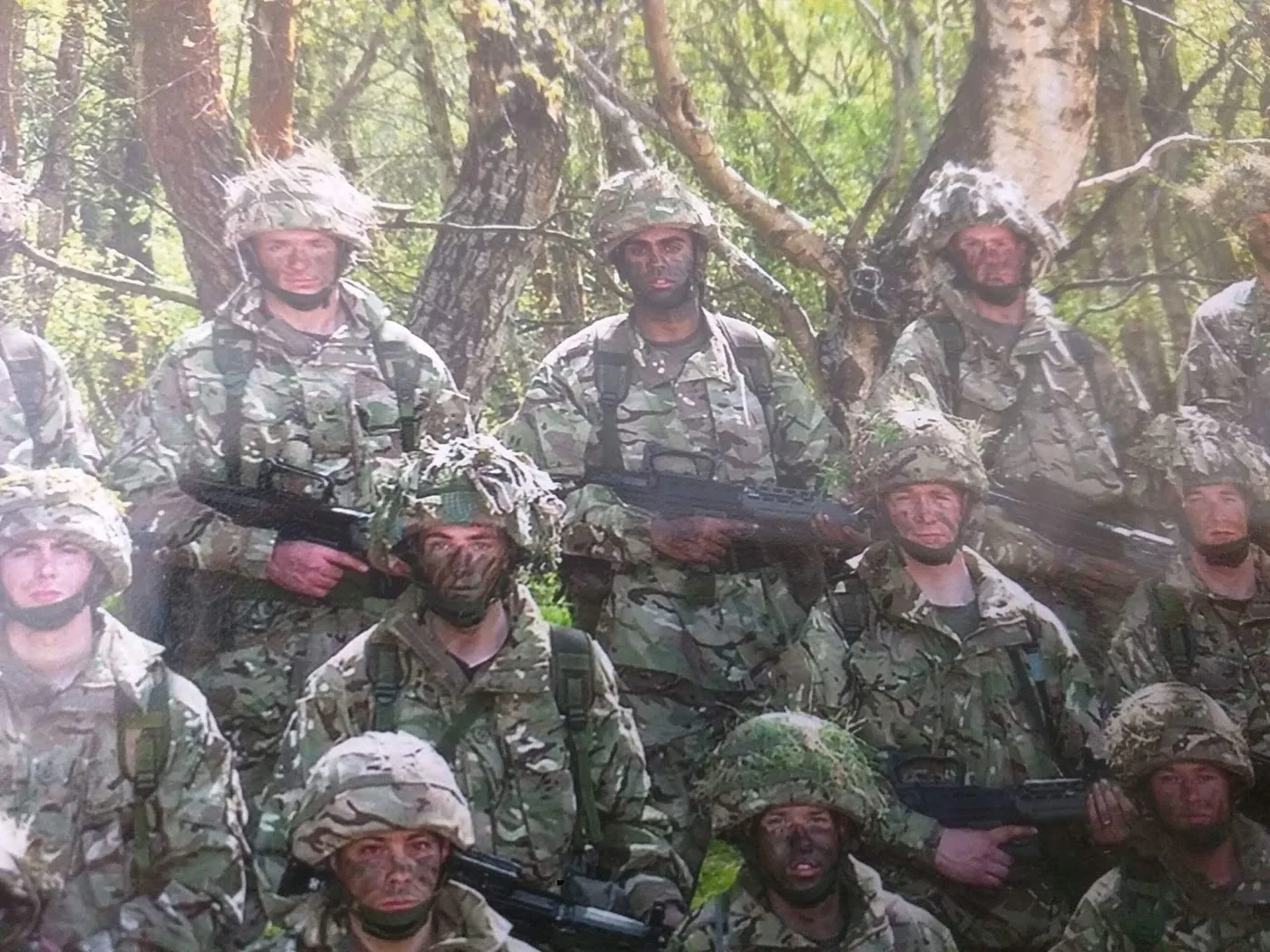
My Army preparation, in photographs
Photos from my own British Army training album, 2015–16; they document my Army preparation, not completion of formal SAS selection.
The dates below are the album’s labels, not independently verified capture dates. These photographs do not identify the Wednesday preparation sessions or the later 21 SAS-linked assessment weekend; nor are they photographs of the earlier ATC Pirbright weekend. They imply no official Army endorsement.
Read next
Get my 21 SAS reserve selection prep guide
What the stages are, what I was training to before I applied, and how I'd build the twelve weeks before a selection weekend. Written from my own application, free, no pitch.