
Applying to 21 SAS: my Army Reserve application and selection preparation
One Google search for a harder race led me somewhere I never expected: a 21 SAS Reserve application, Army preparation and a difficult decision.
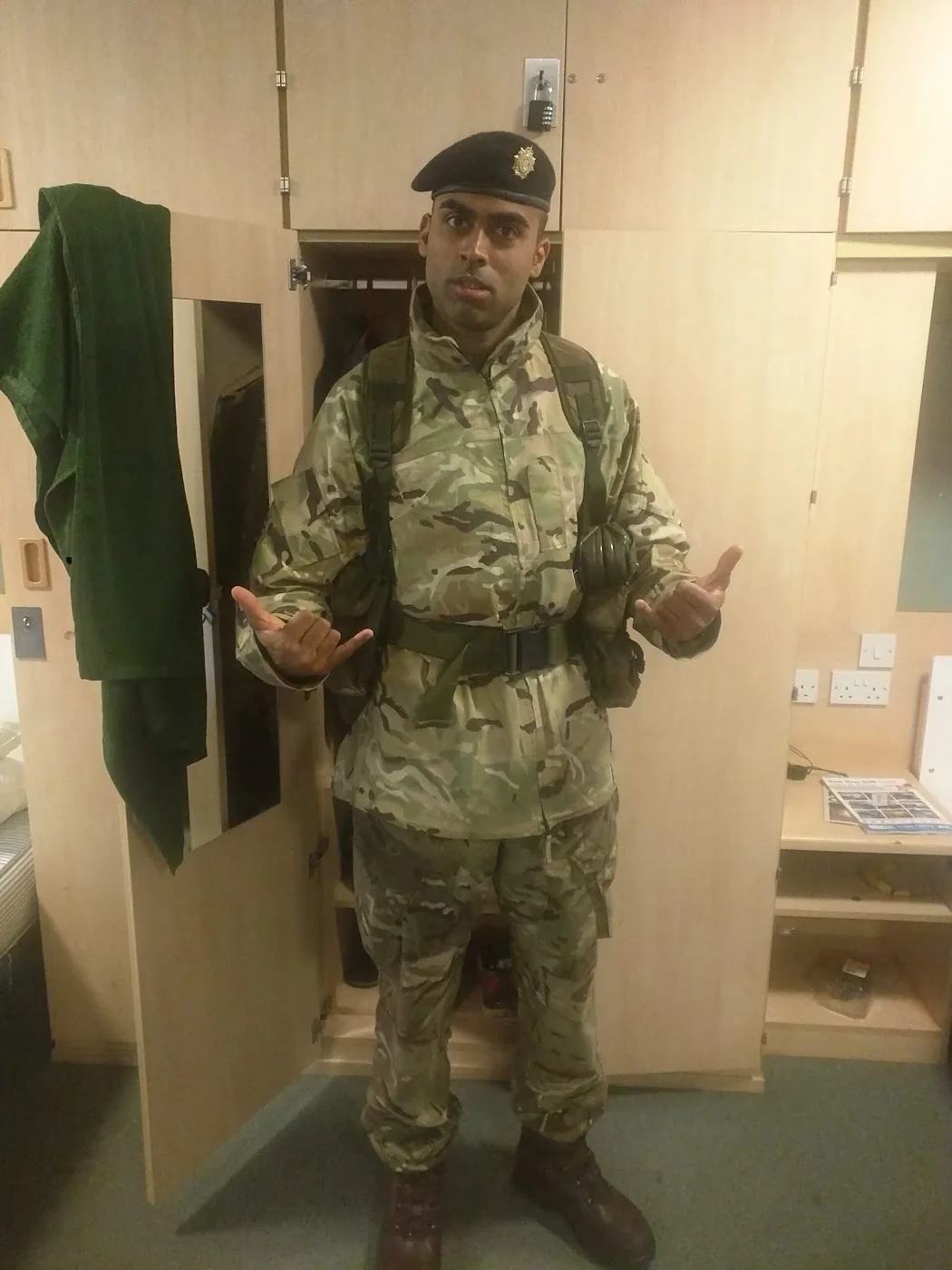
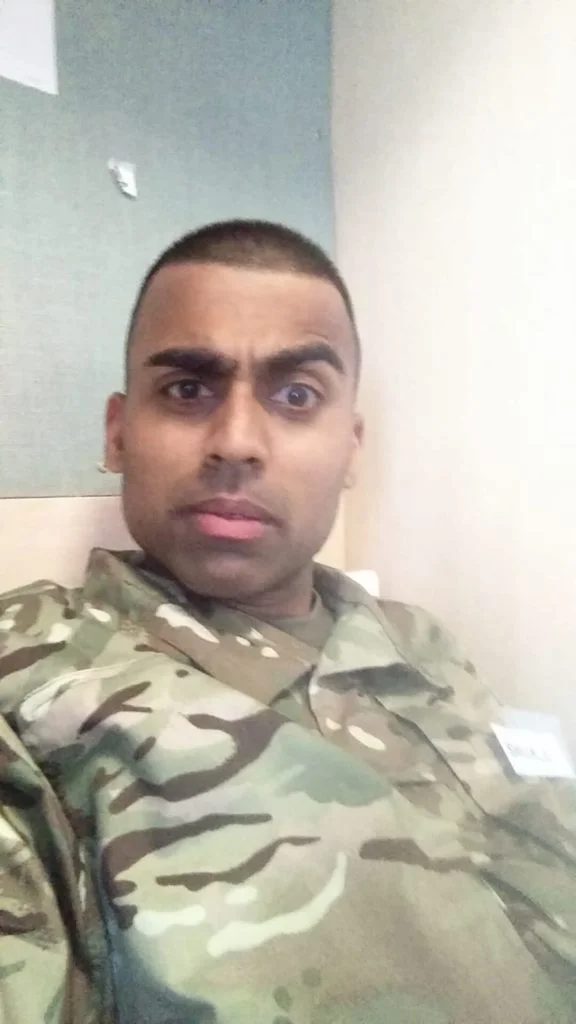 (In dorms during Alpha training at Pirbright)
I'd recently finished my first 100km-plus ultra and had fought Muay Thai in Rio. My first full Ironman would come later, in March 2015.
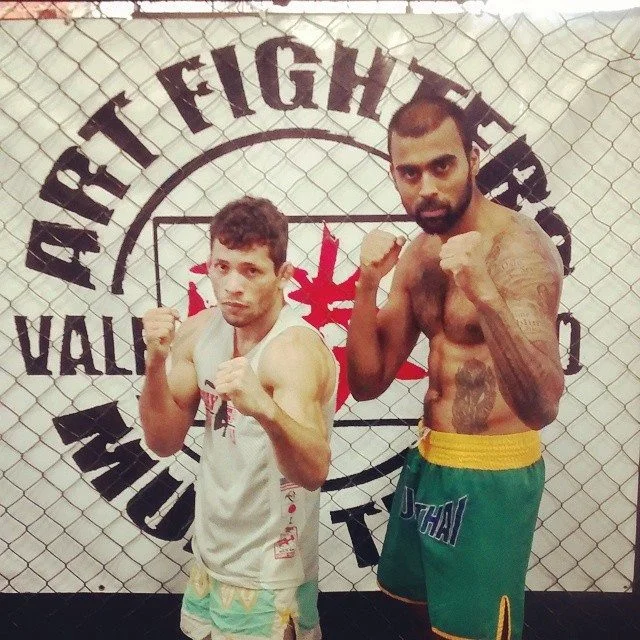 (The Art Fighter Gym, Rio De Janeiro, 2014)
So I felt ready for a new challenge…
And wasn’t sure which way to turn.
I thought maybe I’d go back to running and began surfing the web.
Running had always been my first love.
That’s when whilst Googling in search of the world’s hardest ultramarathons I could apply for - and with ‘Death Valley’ coming up...I also came across a guy known as ‘David Goggins’ in 2014.
Quickly I discovered I’d need to do several other runs to just qualify for Death Valley so I’d need over a year. So then I turned my attention to this man Goggins.
If you’ve not looked him up - do.
He’s pretty amazing.
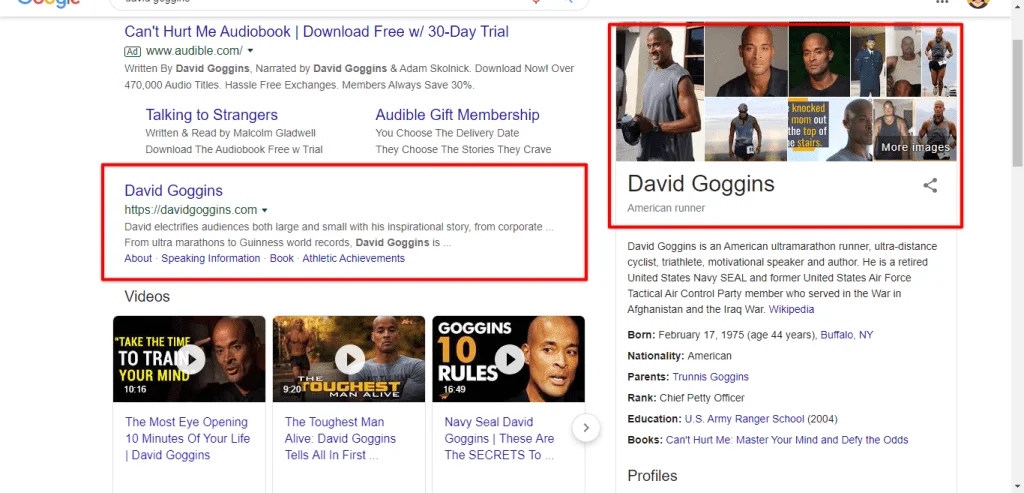 As a total unknown in the ultrarunning scene - he came out of nowhere and finished 3rd in Badwater - held the world 24-hour pull up the record and had many other accomplishments under his belt
It also said that at the time he was an active Navy Seal.
I thought ‘what’s that?’.
…………………..
…………….
………
So I Googled it.
‘Woah!’ - I thought as I saw what it meant
So I then followed up with another logical search - and immediately googled ‘British equivalent to the Navy Seals.
After 10 minutes of digging into what it meant to be in the SAS; I immediately did my third and final search on Google that Wednesday evening.
‘Apply to the SAS’.
What followed was an intense 45-minute period of me reading through all of the qualifying criteria and looking to see if I matched up with them;
Less than 32 years and 364 days of age....check (it has since changed)
In good physical health...check
Able to commit to all of the training...check
To my surprise...it looked like anyone in decent health & fitness and ‘of age’ could apply.
So I did exactly that.
The whole process took 90-minutes and it was done.
Ultimately - this was a time of my life when I was lost and in search of ‘goals and objectives,’ I could cling to. I was still grieving over the end of my relationship with Daniela and the flurry of sports I engaged in provided some real respite from that
And so began a journey after submitting this application - into a very unique world.
I wasn’t sure if I would hear back... but to my pleasure (and nervousness) I did
I’d been invited to go along to the barracks closest to Great Portland Street and have an initial interview to see how I fared.
But this wasn’t before, of course, submitting my application.
And apologies for the purists (as I’m likely to get some details mixed up) - but here goes (from memory)
The application is an adventure all by itself.
They ask you what tattoos you have, the coverage of them and the size of them
That was a pretty big challenge all by itself because of the number of tattoos I’ve got.
Then there comes questions of nationality, parentage, parental background, religion and documentation.
As I would later discover - my father still had an Indian passport and being in the UK with a permanent residential visa would be queried; as well as double-checking our religious background.
I remember heading to Great Portland Street for the initial interview not knowing really what to expect.
And being surprised that the first person I met was another British Indian lady at reception. What was the bigger surprise was that she’d been with the regiment for several years (5 years+) and couldn’t remember ever having a British Indian applicant who wasn’t from a military or Nepalese background.
From my ultramarathons, ironmen, marathons and even thai kickboxing - that didn’t come as a huge surprise to me.
I hadn't met many British Indians at those particular events, so seeing someone who shared my background caught me off guard. It also made me question how many assumptions I was carrying into the room.
The second thing that happened which was strange upon coming back some weeks later for a second interview - was swearing on the Bible and to the queen and country to serve the British crown and not reveal any secrets.
Strange because...it felt surreal and like an exercise in tradition.
Even the man asking me to swear was yawning as he did it.
But it also elevated the seriousness of this undertaking.
‘So you’re having a crack at 21 are you?’ Said the Scotsman I was speaking to.
‘Yeh I’d love to give it a go’
‘Ok,’ he said simply.
And then another man entered the room who looked at me and began with his line of questioning:
My motivation for joining was questioned - and I gave the answer that seemed to make sense to me and, to be honest, was the truth.
One, that this made my parents proud (it felt like this could be a stable path that my parents understood) and that the United Kingdom had done a lot for my family.
Furthermore, I clearly loved physical challenges and this seemed to potentially be the hardest out there (I would later find out that this, certainly for me; was the truth)
We talked about endurance sport, which at least gave me some common ground. I had run over 100km; the 15-hour-21-minute Ironman finish I often mention belongs to March 2015, later in this story.
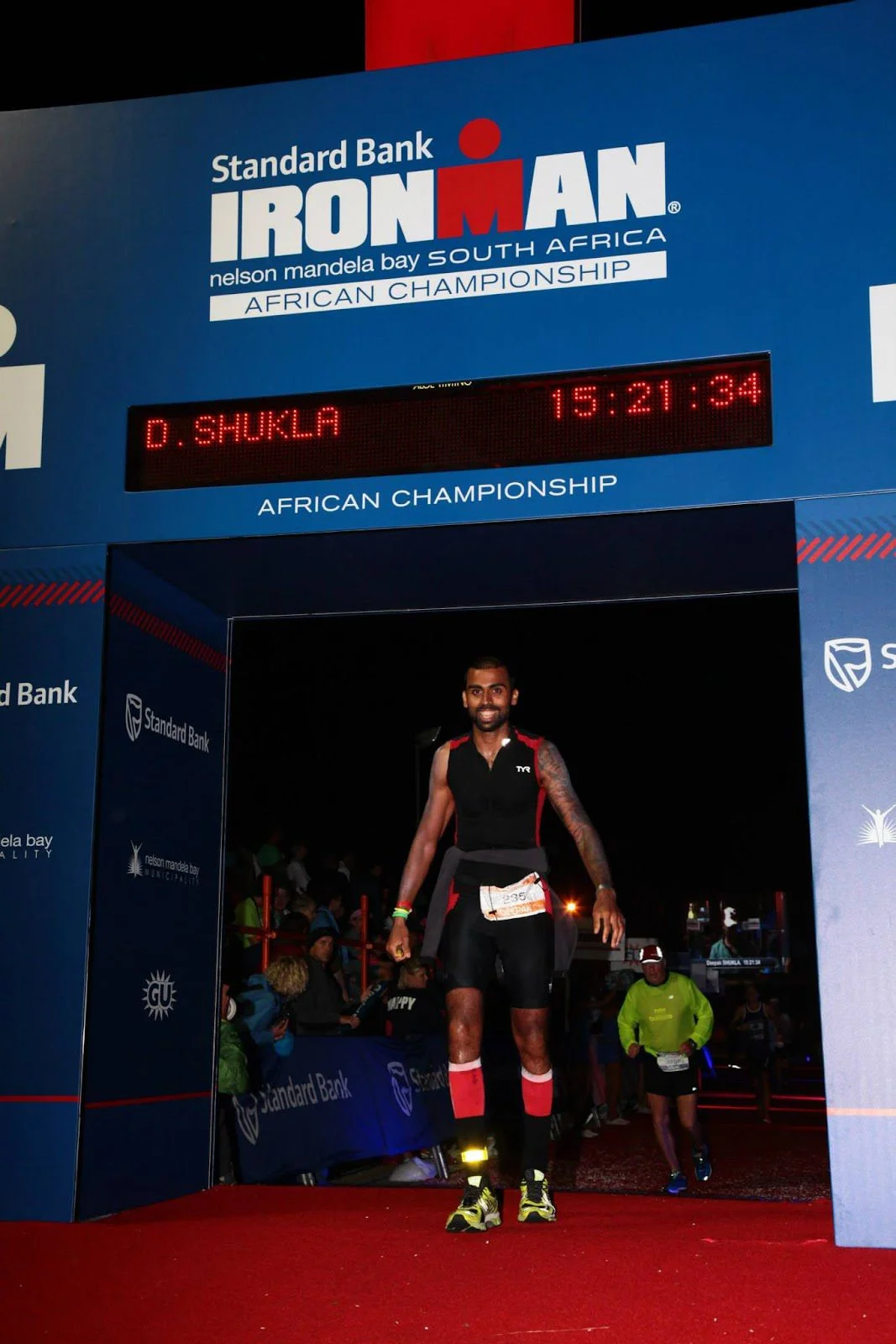 As it turned out - my interviewer had done an Ironman and finished some two hours quicker than me...but it was still a positive nonetheless.
Then - you move on to the medical section of the application.
And a different adventure begins.
Your full medical history is taken, as well as historical travel dates and a detailed narrative of what you’ve been doing over the last decade.
This made sense but was also something pretty damn new to me.
So off I went in search of getting all of these elements to put together; as well as looking into what was required to actually pass their selection programme.
My timeline; as I’d later discover was ridiculously aggressive as the entire nature of the application process had changed.
I understood that earlier tragedies and safety concerns had contributed to changes in the application process. I can't speak for the Army's reasons; what I knew was that the route now involved preparatory Army training.
It now meant that a ‘civvy’ - someone like myself could no longer just turn up to selection weekend and have a ‘crack’ at the selection.
Furthermore, someone who had historically just ‘done that’ was in many respects useless to the general army as they had no way of assessing skills, knowledge and all.
The 21 has a programme that is entirely separate from the regular British army. They train separately, bunk separately and don’t share much at all.
This would now change in the very year I applied...and meant that even before I had begun; many people would ultimately drop out.
That was still only the application. The next jolt came at the general Army assessment centre: the dorms at Pirbright, the kit laid out in cupboards, the run and the strange experience of everyone sizing each other up. Part 2 picks up at Pirbright.
Looking back, what interests me most isn't the name on the application form. It's how little I knew when I filled it in — and how much the preparation would demand of me.
From my later notes · 12 November 2026
A later lesson: talent wasn't the same thing as specialist preparation
When I spoke about this experience in March 2026, what stayed with me was the jump from being reasonably comfortable with some of the early Army preparation to meeting people who had dedicated years to specialist training. I could draw on endurance and a willingness to try hard things. That wasn't the same as arriving with their depth of preparation.
The application and my subsequent Army Alpha and Bravo work were real. So were the preparation evenings and the later assessment-related weekend. But I did not complete formal 21 SAS selection or serve as a special forces operator. Looking back, the useful thing isn't to inflate what I did. It's that the process gave me a clearer sense of the distance between putting yourself forward and being genuinely ready for an exceptionally demanding role.
First-hand Army Alpha/Bravo preparation · personal photo archive
Photographs from the later Army journey
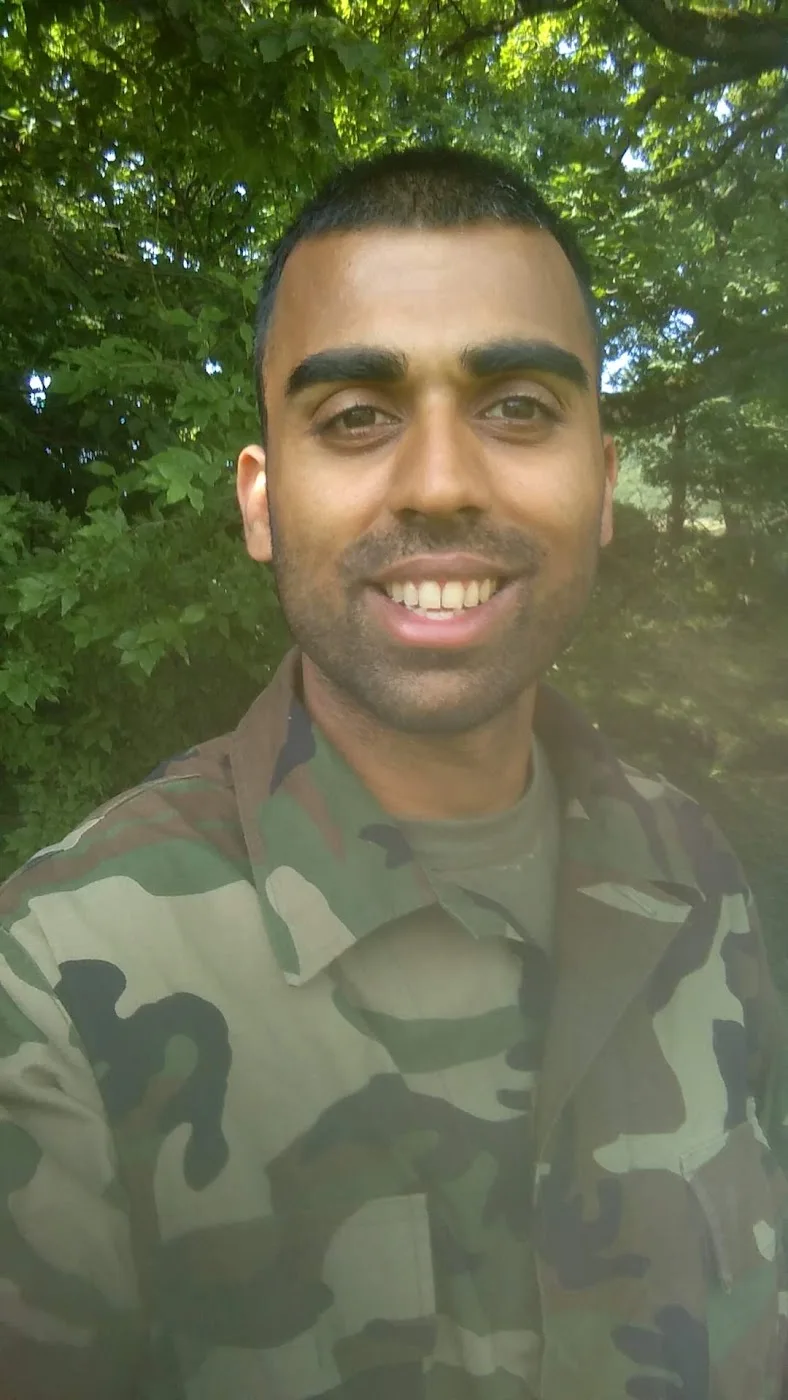
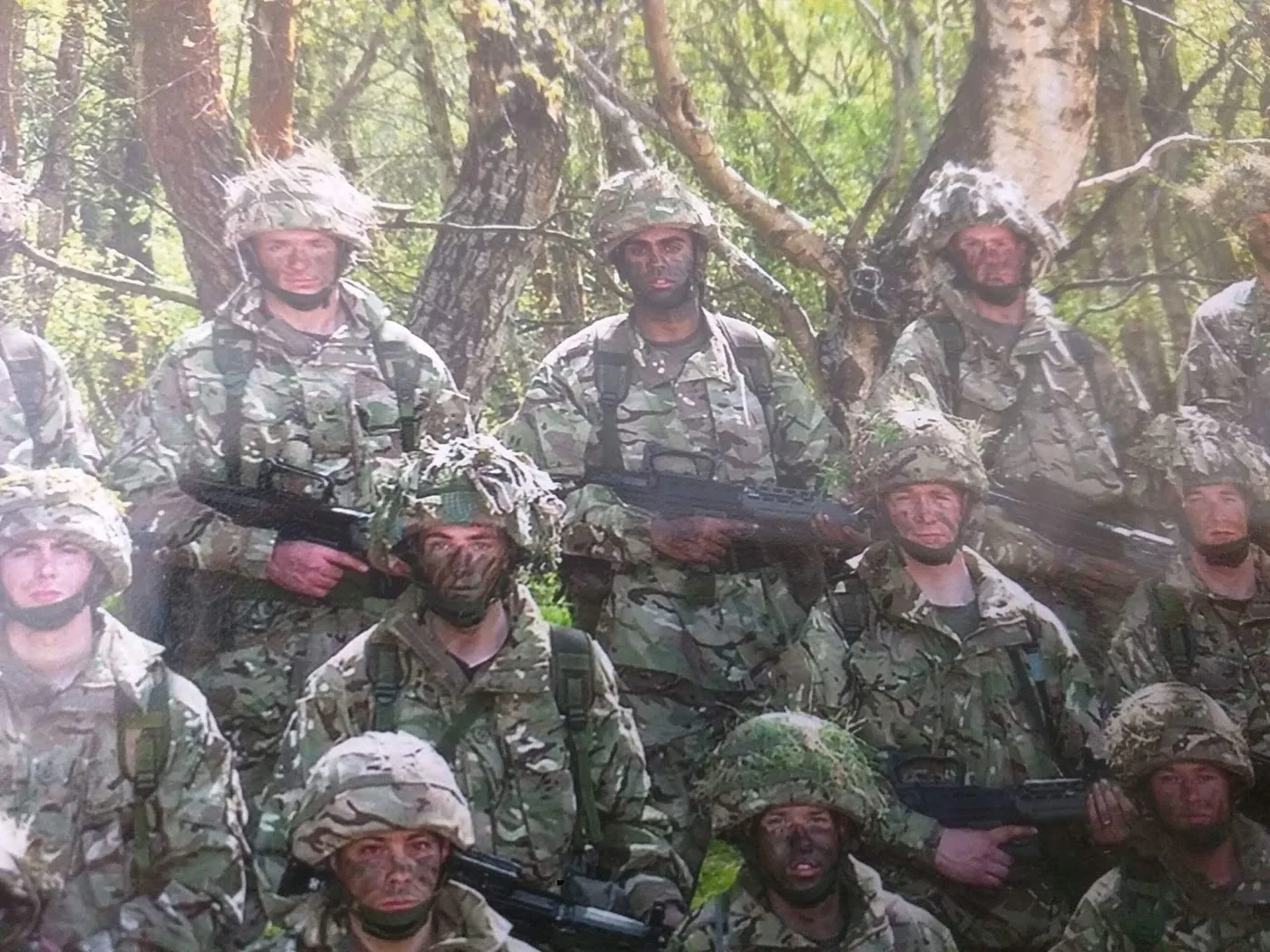
These 2015–16 photos are from the subsequent Army training journey, after my 2014 application.
Photos from my own British Army training album, 2015–16; they document my Army preparation, not completion of formal SAS selection.
The dates below are the album’s labels, not independently verified capture dates. These photographs do not identify the Wednesday preparation sessions or the later 21 SAS-linked assessment weekend; nor are they photographs of the earlier ATC Pirbright weekend. They imply no official Army endorsement.
Get my 21 SAS application and preparation guide
What I actually did during Army preparation, what I learned, and a general twelve-week fitness framework informed by endurance sport. It is not a military selection programme; current standards come from the Army.