
Endurance: race results and first-person journeys
I have run marathons, ultramarathons and a few things that were mostly just very long walks in the dark. These are the race reports and the training behind them, written honestly enough to be useful if you're preparing for your first one.
Results, from the official records
200 miles
18th overallWinter Downs 200, December 2024 · 69:14:32
Official result ↗100 km
1st M35100km di Torino, March 2024 · 11:46:24 · 11th overall
Official result ↗100 miles
22:43:38South Downs Way 100, June 2024 · finished
Official result ↗Ironman
15:21:35Ironman South Africa, March 2015 · my first full Ironman
Official result ↗
In my own words
My own count, not an official result.
30 before 30
Marathons run before my 30th birthday
Read the story4 in 4 weeks
Four marathons in four consecutive weeks
Read the story25+ countries
Countries I've run marathons in
All endurance storiesWon in Rio
My first Muay Thai fight, Brazil 2014. Unsanctioned bout; watch it yourself
Watch the fight ↗3× TEDx
Talks including Cambridge University
Watch the talks
Race results and first-person journeys
Read in historical order. Verified results sit beside original diaries and nonfinishes; uncertain editions stay uncertain.
11 October 2009
Verified result
Chicago: my first marathon4:25:55 official net time; original splits in the report.
Check the result ↗1 December 2012
Verified result
Brecon: my first Welsh ultramarathon10:10:10 · Tied 60th in the official ITRA table. Winter 40: nominal 40 miles, contemporaneously reported as approximately 42 miles; not an official GPS distance.
Check the result ↗12 April 2014
Verified result
Madeira Island Ultra Trail 115km30:30:25 · 111th overall. The old 27-hour shorthand is not the official time.
Check the result ↗August 2014
Historical diary
Lausanne: my first triathlon1.5km swim / 40km bike / 10km run. A first-person diary, not an independently verified placing.
29 March 2015
Verified result
Port Elizabeth: my first full Ironman15:21:35 · 1,351st overall · 115th M25–29 · Bib 235.
Check the result ↗2023
Owner-reported nonfinish
Salisbury Plain: the 50-mile attemptDNF at roughly mile 32. A recollection of stopping, never a 50-mile finish.
9 March 2024
Verified result
Torino: 100km and an M35 win11:46:24 · 1st men's M35 · 11th overall · 7th male. Category winner, not overall winner.
Check the result ↗8–9 June 2024
Verified result
11–14 December 2024
Verified result
Winter Downs 20069:14:32 · 18th overall · Bib 167. Planning is labelled separately from the result.
Check the result ↗
A nonfinish, then 100 miles, then 200
Three separate chapters: a 2023 attempt stopped at roughly mile 32, followed by two officially verified finishes in 2024. The later results do not rewrite the earlier DNF.
2024: verified results
A category win, then two longer finishes. Overall and age-group places remain separate.
The first full Ironman, and the work before it
The official March 2015 result alongside my original booking, Lausanne triathlon and swimming diaries.
From the first marathon to longer events
Start with the original diaries; use the overview to connect rather than duplicate them.
The first two marathons, retold
Official splits from 2009 and my own 2010 race diary.
Practical guides from experience
Frameworks and reflections, not individual prescriptions.
Travel, preparation and repeated race days
Different challenges, not one universal training plan.
The race record: from Brecon to 200 miles
Chicago begins the marathon story in 2009. My first Welsh ultra is now confirmed by official ITRA results: Brecon, 1 December 2012, 10:10:10, tied 60th. Winter 40 was nominally 40 miles, contemporaneously reported as approximately 42 miles; that is not an official GPS measurement. Madeira's 115km finish on 12 April 2014 was 30:30:25, 111th. My first full Ironman followed in Port Elizabeth on 29 March 2015: 15:21:35, 1,351st overall. Torino 100km on 9 March 2024 was 11:46:24, first men's M35, eleventh overall and seventh male. South Downs Way 100 in June was 22:43:38 (126th, bib 561); Winter Downs 200 in December was 69:14:32 (18th, bib 167). Maastricht remains a separately remembered DNF with an uncertain date.
How to go from nothing to a marathon
I ran my first marathon at 23 off about three miles a week, which I do not recommend and would do very differently now. What works is unglamorous: four or five easy runs a week, one longer one at the weekend, and months of not missing them. Speed can wait. The single biggest predictor of finishing well is how many uninterrupted weeks of easy mileage sit behind you.
Marathon to ultramarathon
The jump is less about pace and more about time on your feet, eating while moving, and being comfortable walking. My 42-mile prep and the 30 hours in Madeira are both stories about food, feet and pacing rather than fitness. Back-to-back long weekend days teach you more than any single monster run.
What repeatedly goes wrong
The new result-led features distinguish checkpoint timestamps from memories, elapsed time from moving pace and planning advice from a claim about what happened. Check kit, supply access and assistance rules with the organiser for your edition. Practise the practical parts of a long event rather than treating another runner’s finish time as your training prescription.
Reader questions
- Did you finish both 2024 Centurion races?
- Yes. The official event trackers record Finish for South Downs Way 100 (22:43:38, bib 561) and Winter Downs 200 (69:14:32, bib 167). Each feature links to the original result.
- Is your finish time a moving pace?
- No. It is the whole elapsed race interval. Stops, terrain and the different events make a uniform mile-by-mile target or direct performance comparison misleading.
- Can I use these stories as a training plan?
- They are experience and planning reflections, not an individual training prescription. Read the organiser’s current requirements and obtain qualified advice suited to your experience.
The questions people ask
Field Notes: stories on doing hard things
New stories from ultras, selection prep, fight camps and building a business, when they're written. No schedule, no spam, unsubscribe any time.
By subscribing you agree to occasional emails. See the privacy policy.
The published stories
 100km di Torino 2024: My M35 Win in 11:46:24My Torino 100km finish on 9 March 2024: 11:46:24, first M35, eleventh overall and seventh male. Parco Ruffini, verified results and the training story.
- My First Full Ironman: South Africa 2015 in 15:21:35My first full Ironman in Port Elizabeth, 29 March 2015: 15:21:35, bib 235, 1351st overall. Official splits and the original triathlon preparation diaries.
 Coming Last In My Very First Triathlon in Lausanne Switzerland (Part 1)
 Coming Last In My Very First Triathlon in Lausanne Switzerland (Part 2)
 Training For An Ironman With A Former Paratrooper and National Swim Coach
- Salisbury Plain 50-Mile Ultra: Why I Stopped at Mile 32A 2023 return to long-distance running on Salisbury Plain: grass, deep water, exposed heat and a nonfinish at roughly mile 32 of the planned 50.
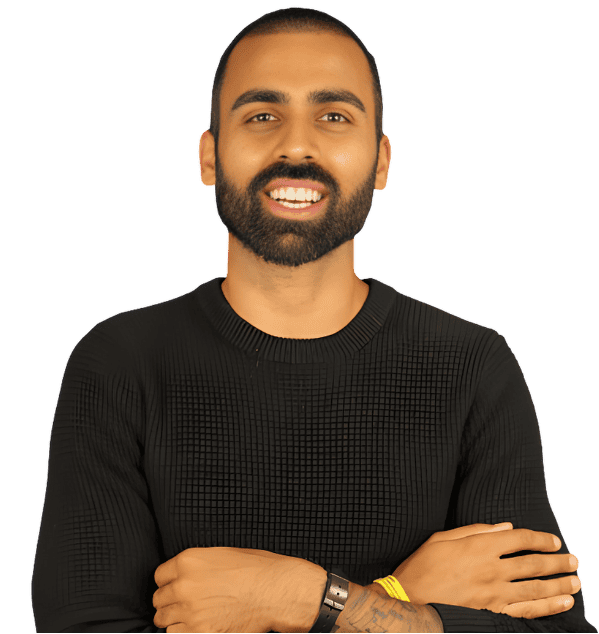 How I moved from marathons to ultramarathons and IronmanMy route from a first Chicago marathon to Madeira, Ironman and 100- and 200-mile finishes, with original diaries and honest limits on the chronology.
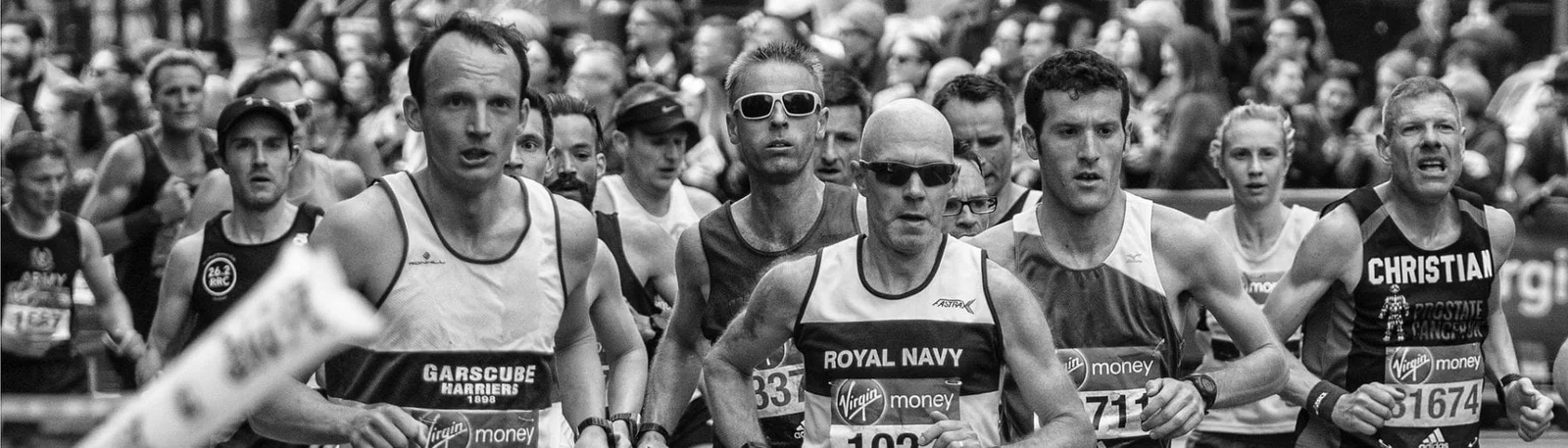 Running My First Ultramarathon
 From Last To My First Full Ironman
- Winter Downs 200 (2024): my 200-mile race and the logistics behind itMy verified Winter Downs 200 finish: 69:14:32, 18th overall, bib 167. Public checkpoints and crew-supported planning, clearly separated from race memories.
- My First 100-Mile Ultramarathon: South Downs Way 100 in 22:43:38My South Downs Way 100 result: 22:43:38, 126th overall, bib 561. Official checkpoints, elapsed-time analysis and the comparison with Winter Downs 200.
- Centurion Running from a finisher's side: SDW100 and Winter Downs 200I finished two Centurion races in 2024: the South Downs Way 100 (22:43:38) and the Winter Downs 200 (69:14:32). What a first-time Centurion entrant should know.
- Training for my first 100-mile ultra: what changed after 30 marathonsAfter 30-plus marathons, my first 100-miler needed different training. A coach, strength work, hiking and the lessons I shared on the Running Tales podcast.
 My 27-Hour Ultramarathon In Madeira
 Barcelona Marathon 2010: my second marathon and a 40-minute improvementFive months after a 4:25 first marathon in Chicago, I ran Barcelona in about 3:45. My race-week diary on gels, a downhill at 21km and heavy legs at 28km.
 Chicago Marathon 2009: my first marathon, split by splitChicago, 11 October 2009: 4:25:55 net, 4:47:50 gun. The official 5K splits from my archive show exactly where a too-fast first half caught up with me.
- Couch to marathon in eight months: a beginner's frameworkI trained for my first marathon in three and a half months and paid for it after 30K. Here is the more patient eight-month shape I would give a beginner now.
 Training for my first marathon while backpacking South America (2009)I committed to the Chicago Marathon and then spent most of the training block backpacking through South America. What that improvised build looked like, and what it cost.
 Preparing for a 42 mile ultramarathon
 Running 4 Marathons in 4 Weeks in 4 Different Cities
 The 100km Running Challenge With My Siblings
- How I Ran My First Marathon Aged 23 (In Chicago) After Only Running 3 miles
 Adventures With Hiring A Running Coach
 Discovering I Have High Cholestrol Even Though I'm A Marathon Runner
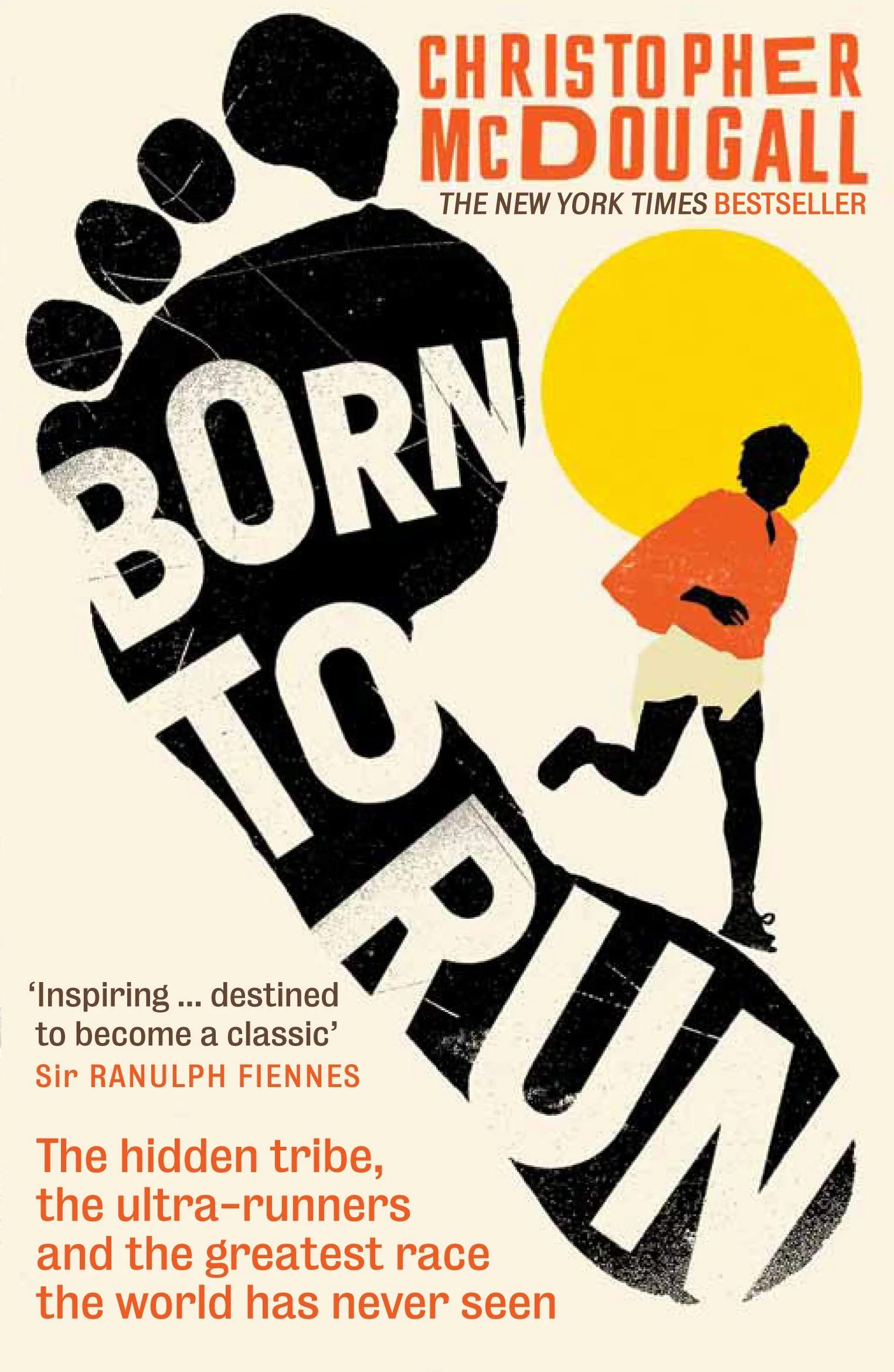 Born to Run by Christopher McDougall - Book Summery
 Preparing To Work With A Personal Fitness Trainer