
Back to blogBusiness and Careers
The REAL Secrets to Becoming a Top Rated Freelancer on Upwork: Part 2
29 October 2018by Deepak Shukla

DS
Founder & CEO of Pearl Lemon Group. Three-time TEDx speaker and SEO consultant.
Welcome to the second part of this series. If you missed the first one, check it out here.
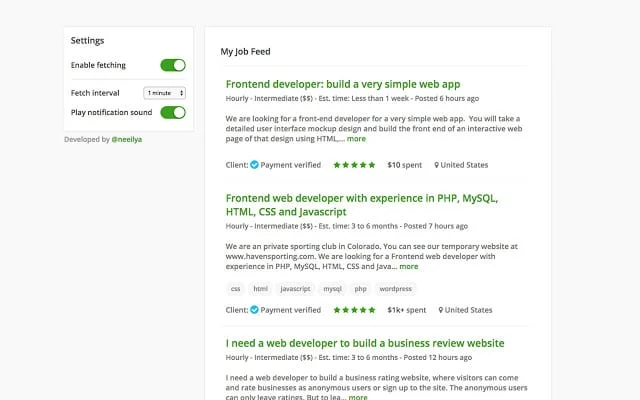 Among the most daunting tasks for new freelancers that join Upwork is determining how to use their limited “connects” (Upwork’s system for limiting how many jobs users apply to) to apply for the right jobs, ones that they have a reasonable chance of winning, will pay fairly, and are not opened by scammers trying to get free work. So how can you tell that a job is worthwhile?
When you’re first starting out, you will have to be slightly less discerning than experienced and proven freelancers. Remember that the most valuable thing that you can obtain early in your Upwork career is a collection of positive reviews, which will lead you to obtaining more work down the road. You might have to work for slightly less than your ideal rate at first, and this means applying to jobs that you might initially balk at as being “beneath you.”
Don’t worry, this won’t last long. Land just a few great reviews and 5-star ratings and your reputation will already look much more legitimate to potential clients than when you first started out.
All that being said, there are certain jobs and clients that you should avoid at all costs. While you might get lucky from time to time, the following list of red-flags is based not on stereotypes or anecdotes but on real-world data - and experience - about the kinds of job listings that tend to lead to dead ends. Here are some traits that should serve as a huge warning that a job listing should be avoided.
Among the most daunting tasks for new freelancers that join Upwork is determining how to use their limited “connects” (Upwork’s system for limiting how many jobs users apply to) to apply for the right jobs, ones that they have a reasonable chance of winning, will pay fairly, and are not opened by scammers trying to get free work. So how can you tell that a job is worthwhile?
When you’re first starting out, you will have to be slightly less discerning than experienced and proven freelancers. Remember that the most valuable thing that you can obtain early in your Upwork career is a collection of positive reviews, which will lead you to obtaining more work down the road. You might have to work for slightly less than your ideal rate at first, and this means applying to jobs that you might initially balk at as being “beneath you.”
Don’t worry, this won’t last long. Land just a few great reviews and 5-star ratings and your reputation will already look much more legitimate to potential clients than when you first started out.
All that being said, there are certain jobs and clients that you should avoid at all costs. While you might get lucky from time to time, the following list of red-flags is based not on stereotypes or anecdotes but on real-world data - and experience - about the kinds of job listings that tend to lead to dead ends. Here are some traits that should serve as a huge warning that a job listing should be avoided.
Submit to the Right Jobs
Among the most daunting tasks for new freelancers that join Upwork is determining how to use their limited “connects” (Upwork’s system for limiting how many jobs users apply to) to apply for the right jobs, ones that they have a reasonable chance of winning, will pay fairly, and are not opened by scammers trying to get free work. So how can you tell that a job is worthwhile?
When you’re first starting out, you will have to be slightly less discerning than experienced and proven freelancers. Remember that the most valuable thing that you can obtain early in your Upwork career is a collection of positive reviews, which will lead you to obtaining more work down the road. You might have to work for slightly less than your ideal rate at first, and this means applying to jobs that you might initially balk at as being “beneath you.”
Don’t worry, this won’t last long. Land just a few great reviews and 5-star ratings and your reputation will already look much more legitimate to potential clients than when you first started out.
All that being said, there are certain jobs and clients that you should avoid at all costs. While you might get lucky from time to time, the following list of red-flags is based not on stereotypes or anecdotes but on real-world data - and experience - about the kinds of job listings that tend to lead to dead ends. Here are some traits that should serve as a huge warning that a job listing should be avoided.
Extremely Vague or Undefined
This is a very common occurrence on Upwork. When you come across a job listing that features a vague title and a one-sentence description of the work being sought, just keep right on scrolling. At the very best you’ll find yourself working with someone who doesn’t understand their own needs or who will continually try to expand the scope of the job, and at the worst you’ll be working with a scammer who’s looking to get some free work without paying or is simply trying to gather information about freelancers for their own purposes.Extremely Detailed, Demanding and Unpleasant
While a detailed job listing is the sign of a professional client, a job listing that stretches on forever and seems to be chastising you before you have even submitted a proposal should be considered a major turn-off. Clients like this are usually overly suspicious of freelancers, either due to their nature or because they’ve been burned before, and you’ll usually find them impossible to satisfy no matter how high the quality of the work you put in. They will often expect to pay rock-bottom rates for hours of work while setting impossible standards of quality. You will find yourself frustrated, burnt out, and perhaps even left in the dust when they ultimately determine that whatever work you’ve completed is not satisfactory and will not pay.Exorbitant Budgets
Some clients will post extremely high budgets for their projects in order to lure in more proposals and then come back down to reality when they actually offer the job. You might think that there’s no harm in seeing what their actual offer turns out to be, but if these clients are willing to be dishonest about their budget, what else will they be willing to lie about? Do yourself a favor and save your connects for more worthwhile jobs.Lots of Job Posts but Few Hires or Low Payments
Upwork allows freelancers to see the hiring history of any client who posts a job on the site. You’ll be able to see how many jobs they have opened, the percentage of jobs they actually hire for, and how often and how much they’ve paid out. If a client has opened dozens of jobs but never hired anyone, stay away. Likewise, if they have hired a fair share of freelancers but their jobs have seemed to frequently end in no payment, run away.Poor Freelancer Reviews
By perusing a client’s job history you can also see some of the reviews that have been left by freelancers. These can be a very important resource in determining whether a client will be worth pursuing. One disgruntled freelancer might not be a red flag, but two or more individuals who have had negative experiences with a client should send you running in the opposite direction. Now that we’ve addressed the most common warning signs in job listings, let’s look at the indications that a job is worth applying to.Detailed and Clear Description of Job
The surest sign that you will have a positive experience with a client is if their job description is concise but detailed in explaining the exact parameters of the work involved. You should be able to read their post and know exactly what you’re getting into, or at least a solid enough idea that you will feel comfortable asking further questions if they respond to your proposal.Proven Track Record of Hiring and Paying
A large portion of job listings will come from first-time Upwork clients, so you shouldn’t consider a lack of job listings a red flag. But a more sure-fire sign that a client is worth pursuing is if they show a high hiring rate percentage and a proven track record of paying fairly for completed work. Don’t waste your connects on a client who never actually makes hires.Personality
It goes without saying that your freelancing experience will be much more positive if you work with clients who are pleasant. You will likely spend just as much time communicating with clients as you will actually completing assigned work, so look for job listings that convey a sense of personality and character.Reasonable Budget
Look for jobs where the proposed budget seems to match the amount of work involved. Remember that while you’re first starting out you’ll likely have to accept some jobs for slightly lower pay than your ideal rate, but ALWAYS avoid jobs where the budget is incredibly low.Positive Reviews from Past Freelancers
Just as negative freelancer reviews can point to a bad client, glowingly positive reviews from a few past freelancers can give you some peace of mind about a client’s work experience. While these guidelines can be an invaluable resource when you’re first starting to submit proposals on Upwork, you will soon find that you will develop your own set of instincts for determining whether a job listing is worth your precious connects. As you gain more experience on the site, follow your gut when it comes to assessing the potential of given jobs. The time you spend on the site will become much more efficient, effective and rewarding.Write Incredible Proposals
Now that you’ve designed the perfect Upwork profile, it’s time to start submitting proposals. I'll cover details about how to set your price and how to make sure you’re submitting for the right jobs later, but for now, we’re going to focus on your proposal itself and how you can achieve a high response and hire rate from prospective clients. There are a few proposal types which you’ll encounter in your time on Upwork. First, there are standard format proposals which you will create when you submit a proposal to a standard job listing. These don’t feature any extra questions, only giving you the opportunity to submit your bid and an open space to try and convince your client why you are the best person for the job. You’ll also encounter job listings where a client has added a few additional, specific questions which they would like you prospective freelancers to answer when they apply. These can range anywhere from questions like “What other jobs have you completed recently that are similar to this one?” or “Why did you apply to this job?”. Sometimes they’ll be even more specific and ask about your expertise on distinct topics relating to the job. Finally, if you consistently perform well on Upwork you will eventually begin to receive invitations to apply for various jobs. These will come from clients who have seen your profile and selected you specifically to apply. This does not guarantee you the job, and several other freelancers might also have received invitations, so you should still put a great deal of care and effort into your proposal. Let’s first discuss what should go into your general proposals. A client looks for several things when reading through proposals, and failing to address each one will result in an ignored bid.Be Friendly but Professional
Begin your proposal with a greeting, but not one that’s overly informal like “Hiyah!” or “Howdy!” Say hello, introduce yourself and get down to business.Be Concise
Your proposal should reflect the fact that you put a great deal of thought into its composition, but that should not be twenty paragraph pitch that takes several minutes to read. Keep in mind that legitimate job postings will often attract upwards of 20 or 30 applicants, and overly long proposals might be skipped over entirely.Be Specific
One of the best ways you can set apart your proposal is by directly addressing elements of the job listing. Mention details from the listing and how you would address them, and even mirror or rephrase wording used by the client in order to hack their brain into feeling like you know exactly what their needs are, even if they’re not consciously aware of your methods.Do Your Research
Some clients will include attachments in their job listings with additional information about them, their project or their brand. Read them. If no files are attached, look up the name of the company or business that is hiring and mention something positive and specific about their website or online presence. This will show clients that you are a true professional who is willing to “do their homework”.Sell an Experience
Don’t rely solely on your past work and extensive skills to attract clients. Keep in mind that many of the individuals or businesses who submit jobs on Upwork are using the service for the first time and likely feel a bit of trepidation about enlisting the help of a stranger. Set yourself apart by addressing your commitment to always being available for communication with clients, submitting work well within given deadlines, and ensuring that each and every client has a flawless experience from start to finish. And if you can, work in some of those interesting facts again we discussed earlier. They may be the spark that connects. Finally, always close with a genuine “thank you for reading my proposal” and sign off with your name. This is a subtle reminder that you’re a real human being that’s ready and willing to help your prospective client with whatever they could possibly need. A few final tips regarding proposals—if you’re relatively new on Upwork, don’t hide from it. Clients will be able to see your lack of history anyway, so you will be far better off addressing it head-on. Include a sentence in your proposal that addresses that while you’re new to the site, you’re no stranger to the work involved. This openness and confidence will reflect well on you and earn the respect of prospective clients. And watch that 'number of proposals' metric. A job that already has a TON of proposals may be just a little too competitive for you, especially if you are just starting out. If it's something you really like the sound of go for it anyway, but look out for those jobs with a lower number of proposals, you'll have a much better chance of standing out.Bid Smart
The one brutal truth about first starting out on Upwork is that you will simply have to work for a bit less than established, experienced freelancers with proven track records on the site. That being said, many new freelancers bargain-price their services in an attempt to attract businesses only to find that they can’t land any jobs. The problem with setting extremely low prices is that many clients assume that this equates to extremely poor work. Upwork is filled with race-to-the-bottom freelancers. And the truth about Upwork is that there will be clients who are looking to pay absurdly low prices for shoddy work, simply because they need content regardless of its quality. These are not clients you want to work for, and you cannot allow yourself to get discouraged if you occasionally lose out on jobs to bargain-priced freelancers. That being said, a new freelancer can’t price themselves at the same level as veterans with 1,000+ hours worked and 99% job success rates and expect to win lots of bids. Find a middle ground where you feel comfortable, and accept that early on you will likely have to complete a few jobs for less than your ideal wage. Remember that the most valuable payment that you can receive from your first few clients is a positive rating and review. Remember, as a new freelancer you want your bids to fall beneath the highest bids but not so low as to convey lack of quality. After you’ve developed the beginnings of a positive reputation on the site, you can begin to inch up your fees relative to the bids of other freelancers. This is a delicate process that depends on several factors. But the most effective freelancers seek to strike a balance between the perceived value of their work and the actual time it will take them. Some jobs you’ll find will require more work than better-paying jobs, but that doesn’t mean they’re not worthwhile.Commit to Instant Communication
One of the most effective ways that you can convey professionalism and competency to a client is by responding to their communications promptly. Try to make a commitment to reply immediately to client messages. Obviously, exceptions will arise, like messages you receive while sleeping or in a movie theater, etc. But informing your clients that you insist on responding to all messages sent during the workday immediately and then following through on that promise will give them the peace of mind to know that you’re not going to vanish for days on end and the assurance that they’ll always know where their project stands. You can excel in this regard before ever receiving a job. If a client responds to your proposal with some additional questions, answer them promptly and in-depth. Once you’ve landed a job, respond to your clients’ requests within a few minutes of receiving them whenever physically possible. This is not to say that you have to immediately drop everything and fulfill a client’s demands the moment they send them. But Upwork success stories have proven that clients like to receive messages even if they only contain a confirmation that their own message has been received and understood. Responding with a quick, “Got it, I’ll get to work on that right away and will have something for you by tomorrow afternoon” takes a matter of seconds, and you would be surprised at how impressive many clients find this level of communication. If you ever find that you’re behind schedule due to unforeseen circumstances or you don’t feel that you’ve quite nailed your final draft, say nothing and hope your client doesn’t notice—be completely up-front with them and let them know when they can expect completed work. Apologize, but don’t overdo it. Delays happen over the course of a job, and while you should do everything in your power to avoid any unnecessary delays, particularly in your early stages on Upwork, sometimes they cannot be avoided. You might as well use them as an opportunity to show your client how honest, forthright and communicative you are. Once you’ve submitted finished work, give your client approximately one week to take a look and respond. Even then, don’t badger them for feedback or payment. One foolproof excuse for subtly reminding a client that you’re awaiting payment is concern that they never received your message. Upwork’s servers have been known to lose messages from time to time, so there’s nothing false about a message along the lines of “Hi there, I don’t mean to bother you but wanted to make sure you received the work I sent last week.” You can even address Upwork’s occasionally unreliable messaging functionality. If time stretches on for a couple weeks and you don’t receive payment or feedback, feel free to increase the frequency and straightforwardness of your messages. Always remain polite, but the more time passes the more direct you can be in insisting that you receive information or payment for the job.Follow-Up with Clients
One rookie mistake that many freelancers make is failing to leverage the relationships they build over the course of their work. If you complete a job for a client who is completely happy with your work and the experience of working with you, your relationship should never end once the job is complete. The value of reaching out to past clients cannot be overstated. Never assume that just because a past client hasn’t contacted you they don’t have work for you. Many freelancers shy away from reaching out to past clients after a job has been completed for fear of being annoying or appearing desperate for work. But the truth is actually quite the opposite, a well-phrased follow-up reflects professionalism and a dedication to service that extends beyond the completion of a job. You’ll be surprised by how often you contact a client out of the blue and they come back with new work for you to complete for additional payment. A larger payment (you've proved how good you are) and maybe even one that leads to different, off Upwork assignments that turn into a regular, ongoing, very lucrative gig. But how do you go about following up with clients? There are a few key follow-up opportunities that take place over the course of a client/freelancer relationship.Immediately After Completing a Job
Once you’ve submitted a final draft of the requested work and your client has expressed that they’re completely satisfied, thank them for the experience and ask gently whether there is anything else you can do for them. You might even be able to address something they’ve mentioned over the course of the job. Ex.— “You mentioned earlier that you were also looking to create a sales website. I would love to be of service if you find yourself in need of a web designer again!” Again, you shouldn’t overthink communications like this. The absolute worst case scenario is a client responding that they don’t need anything else right now. You might be thinking about the potential for more money, but they won’t be. All they will see is a diligent freelancer ensuring that all of their needs will be met.One Month After Completing Work
After one month since completing a job for a client, getting paid and moving on, send them a very brief message or email to say hello and ask if there’s anything else you can do for them. Keep this message to around two or three sentences at most, and don’t worry if you don’t hear anything in response. You’ve done your due diligence as a freelancer.Three Months After Completing Work
If you’ve reached out both immediately after completing a job and one month later and have not received any additional assignments, the three-month mark is a good place to do a light check-in. Make this message more focused on the client—how has their project been going since you worked together, you hope all is well, etc. Sign off with an “I hope we have the opportunity to work together again!” and move on. You’ve now sewn the seeds of future work, and if the client was truly satisfied with your initial project then you will be top-of-mind for any future jobs.Update Your Profile
As you complete more jobs and get a greater variety of work under your belt, it’s critical that you update your profile accordingly to match your increased success. Here are some areas of your profile that should receive consistent re-assessment. Overview- Did you complete a job that provided you with on-the-job training in a new area of your field? Include it in your list of skills, abilities and experiences. Have you recently received a particularly glowing and thoughtful review that will look great on your digital mantle? Add it to your overview. As your experience on Upwork grows, so will your skills and acclaim. Let people see them! Portfolio- As you complete more jobs for happy clients, you’ll consequently be provided with a supply of potential portfolio centerpieces. Add your most impressive work to your portfolio at regular intervals (with your clients’ permission, of course.) It’s impossible to have a portfolio that’s too large, assuming each item it contains is of the highest quality. Handpick the completed work which you feel will best speak to your abilities and impress the clients’ you most want to attract. Certifications- Have you completed any new courses since joining Upwork? Add your accolades to your profile! By keeping your profile up-to-date and stocked with positive reviews, marketable skills and impressive portfolio pieces, you’ll give the impression of an active, skilled and professional freelancer worthy of taking on a higher level of client projects.Gather Reviews Like Oxygen
Your goal is a freelancer is to earn a living, but your goal as a new freelancer on Upwork should be to get great reviews at all costs. This entire book is dedicated to helping you break out of the struggles associated with being a brand new Upwork user, and the clearest and most powerful path to that next level is through stellar reviews. But how can you ensure stellar reviews from clients?Expand Your Skill Set
As you spend more and more hours perusing the job listings on Upwork’s website, you’ll become familiar with a wider range of niche jobs that will pop up from time to time. Many freelancers - myself included - have found new areas of their field that they previously didn’t even know existed from browsing the website. Don’t be ashamed if you consider yourself an expert in your field before joining Upwork and then find yourself doing your fair share of Googling just to understand certain job descriptions. Consider these previously unknown jobs as opportunities to expand your skillset and increase your marketability on the site. The more diverse types of work you’re equipped to complete effectively, the more jobs you’ll be able to confidently and competently apply to and complete. Download instructional manuals and reference books about areas of your field you know little about, take training courses designed to help you grow in your area of expertise, and challenge yourself to constantly become a student of whatever craft you hope to build a career in. Whether you’re a designer, coder, writer or tax specialist, you need never stop learning how to become even better. As you build and develop your skills, you’ll become a much more confident freelancer and it will show in your work and communications with clients. You will be able to speak more authoritatively on a wide range of topics and handle diverse tasks with competent ease. Soon there will be no job that falls outside your range and no task that seems insurmountable over the course of your freelancing career.Aim Higher
If you follow the principles outlined here and trust your own instincts as you navigate the landscape of Upwork as a fresh-faced freelancer, you will quickly find that your opportunities and reputation grow at an inspiring rate. If you can make it out of your first month with a few great reviews, dozens of submitted proposals and a couple extra dollars in your bank account, your next month and the next after that will become less of a slog and more of a thrilling adventure that will see you being able to glimpse the freelancing career that you deserve. Once you develop a reputation on Upwork, it can speak for you in ways that will ease much of the burden on your own individual proposals. You can spend less time completing sample work before the job begins because the glowing reviews of past clients will speak to your competence. You will be able to increase your bids as your measurable experience and positive reputation will speak to the quality of your work. That being said, maintaining a reputation on Upwork will still require a fair share of effort and dedication. A few bad reviews are all it takes to send you back to where you started, and lazy work or poor customer service are the hallmarks of a freelancer who will quickly find that their work opportunities dry up. The principles you’ve mastered here are mainly designed for newer Upwork users, but they can be applied universally as you continue your Upwork journey past your first months. If you consistently submit outstanding proposals, provide stellar work, endear yourself to clients and remain dedicated to customer service, your freelancing business will grow at an astonishing rate and your dream of becoming your own boss will be well on its way to becoming a reality. Want to learn more about how I built a 6 figure business and how you can do the same? Check out this very special free video to get started.Want me to look at your site?
Send me your URL and the one thing you'd most like to fix. I'll record a free 10-minute teardown of what I'd do first — no pitch.
Or read how I work on SEO consulting in London.